

Is it necessary to fully understand a film to enjoy and appreciate it? I would argue that it is not, for if that were the case surrealist masters like Jodorowsky and Lynch would never have ascended to their exalted levels within the film world. We still watch, discuss and are sometimes confounded by films like Holy Mountain and Eraserhead more than four decades later because there is far more beneath the strange visuals that bares fruit if we are patient enough to peel back the layers. Surreal films benefit from re-watching and further examination, the trick is to make your films good enough that its worth an audience’s time to do so.
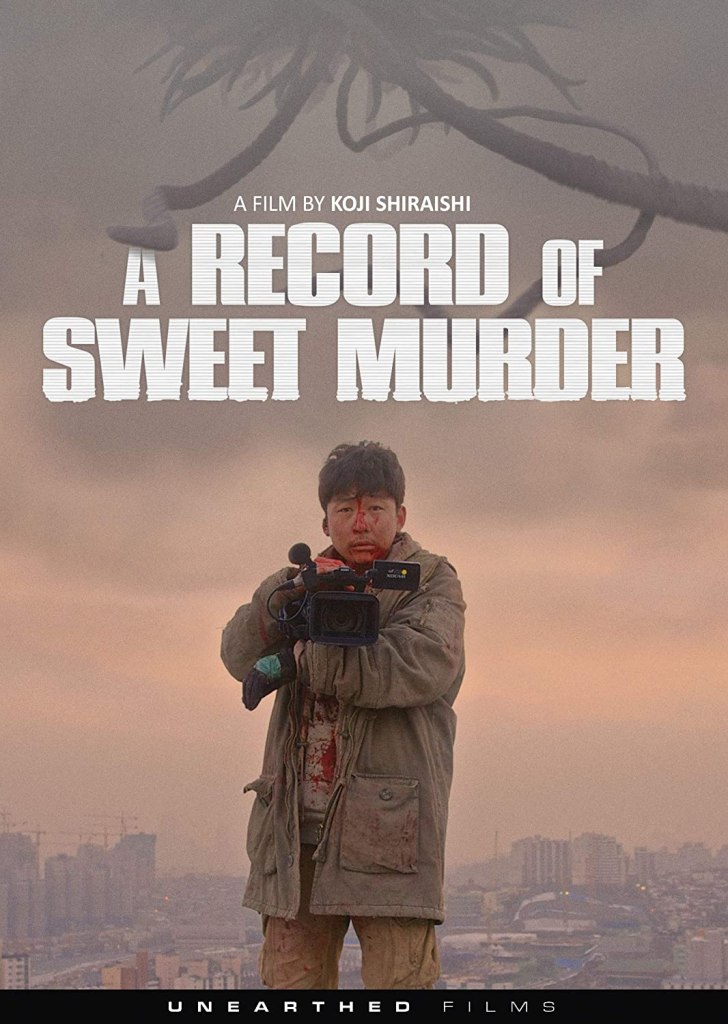
Writer/director Chino Moya’s first feature is certainly a film that requires additional scrutiny to fully comprehend. While it’s not as overtly surreal as the previously mentioned films the slippery narrative thread and dream-like quality give it a viewing experience akin to Holy Motors with a healthy dose of High Rise mixed in. There aren’t exactly main characters nor is there a clear narrative through-line as segments seem to flow into each other, sometimes in the guise of stories told between characters, and occasionally intersect.
The structure in fact is more on par with a collection of short films taking place in a shared universe where the edges are muddied enough for them to meld into each other rather than all serving a common storyline. We see body collectors nonchalantly tossing corpses into their truck like they are common trash, a middle aged couple who’s frosty relationship threatens to become upended by an unexpected guest, a father telling his daughter a bedtime story of an unscrupulous merchant, a post-apocalyptic prison and an ordinary business man whose life becomes incalculably more complicated with the arrival of someone from the past.

Some of these segments flow very cleanly into each other, whereas at other times the connection is a bit more abstract. Regardless of their storyline similarities it’s really the emotional thread of dysfunctional relationships in a bleak and hopeless world that connects and links the stories. More importantly, the purpose of this film is not to provide a by-the-numbers plotline but to create an evocative experience where well-realized characters flow into each other’s worlds with a dream-like quality and in that regard it is better served by the unconventional structure. The result makes for an incredibly engaging experience whose shifting narrative works well to simulate the feeling of watching an unnerving dream (or more aptly a nightmare) unfold and giving the audience plenty to mull over between viewings.
Fortunately the beautifully bleak cinematography that deftly captures the quiet horror of a ruined city and the across the boards flawless acting make this a trip that’s worth taking multiple times. If you are looking for a straightforward, easily digestible story that neatly resolves then this is not going to be for you. On the other hand, those interested in taking on a cinematic experience that provides depth and layers of meaning to be gradually unraveled would do well to give this a try.


 I love horror anthology films and while we may not be getting as many these days as we did during the resurgence of their popularity in the early to mid 2010s, it’s good to see that they are still popping up occasionally. Typically these films will feature the collaboration of multiple directors and are a great way to showcase various talents within a single project. The structure allows the audience to be a little more forgiving of the overall film as stronger entries can sometimes redeem the goodwill lost by weaker ones. Ultimately though, the finished film is still a sum of its parts and today we’ll see if A Night of Horror: Nightmare Radio serves as a suitable distraction during these troubled times.
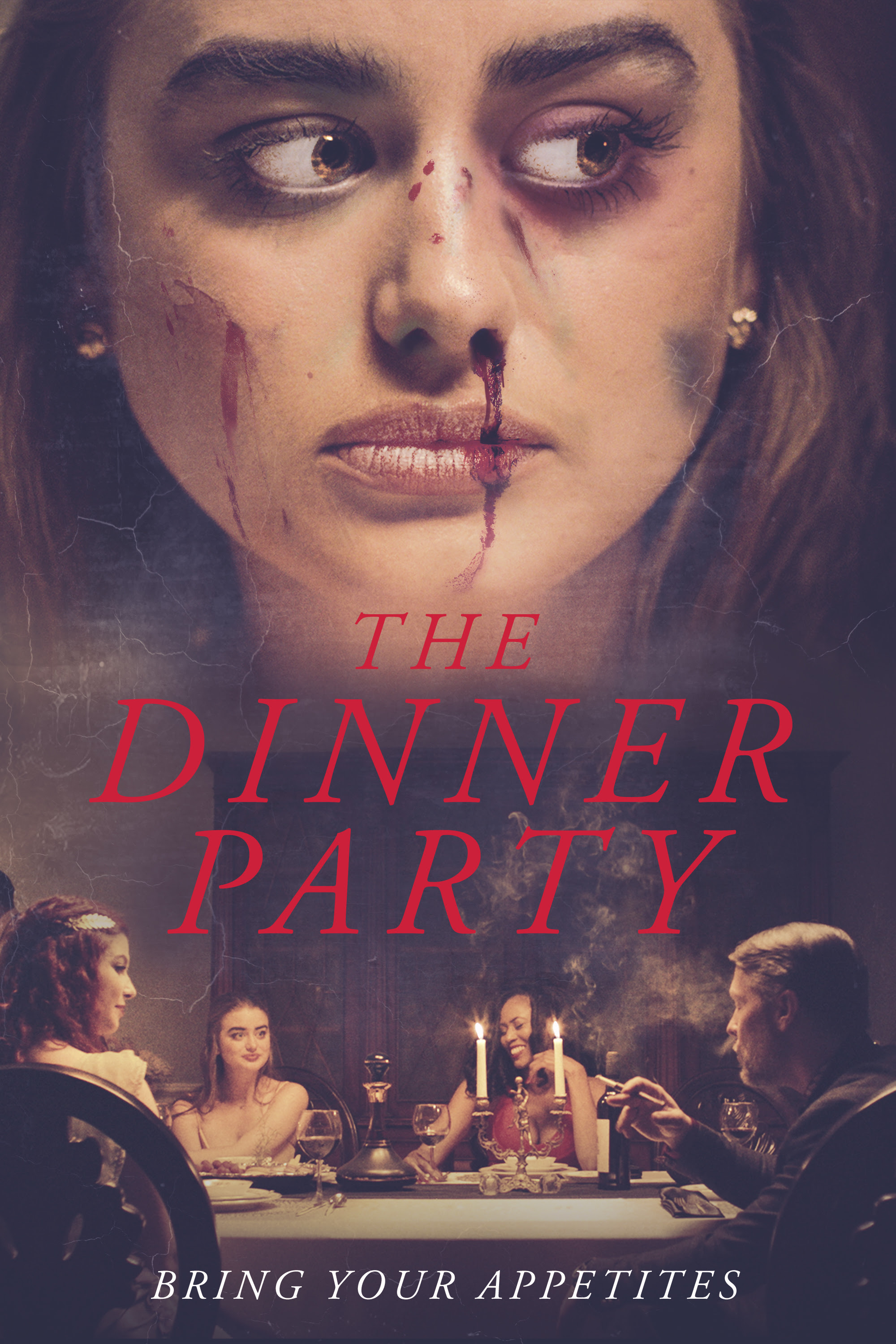 Sometimes just the fact that a film is in the horror genre tips you off that the plot is going to go in a certain direction. I mean, if a movie called The Dinner Party had everything go completely well for the characters the entire time you’d probably end up with a drama (and a damn boring one at that). So, while there is a certain amount of predictability and expectation within the basic structure itself, the real test of artistry is found in how well the filmmakers can finesse the details and create something original. Sometimes this means artists will take big swings with unusual concepts and plot twists, the end result of which is invariably a brilliant hit….or a spectacular miss.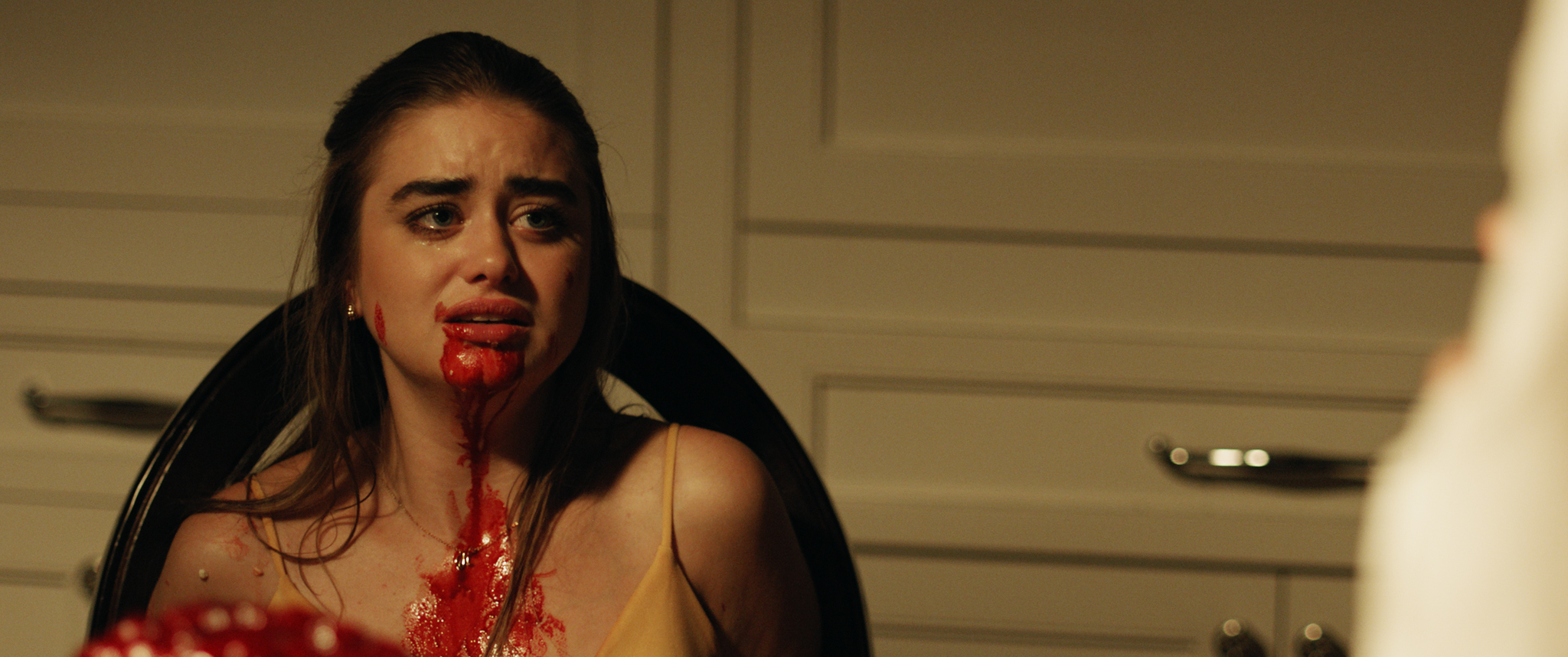

 Ever since The Blair Witch Project exploded onto the horror scene in 1999 and crushed the box office to the tune of a quarter billion dollars, countless filmmakers have tried their hand at tapping into that low cost Cinéma vérité style magic. Now that it’s 21 years later any filmmaker looking to utilize that format needs to bring something more to the table than abandoned footage found in the woods. Fortunately, M.O.M (Mother of Monsters) does bring an innovative twist to the standard formula as all the footage comes directly from cameras that characters use within the world of the film.
 As anyone who follows me on Twitter knows, it’s my mission to track down and review the most fucked up films ever made. Because of this, my idea of what truly constitutes Extreme Cinema may be a bit …..different than many people’s so I’m always at least a little skeptical when filmmakers contact me out of the blue and claim that their film is shocking and edgy. Still, I went into 29 Needles deliberately knowing nothing about it and keeping an open mind. Within the first few minutes one thing became perfectly clear, this is one film that DEFINITELY belongs in the Extreme Cinema category!
 offended in the process. Rape, mutilation, watersports and bloodplay are all on full display here as well as fetishistic acts that even I had never seen before (I have two words for you, eyeball tube). Writer/director Scott Philip Goergens clearly has a vision and takes a punk rock, no holds barred approach to executing it.
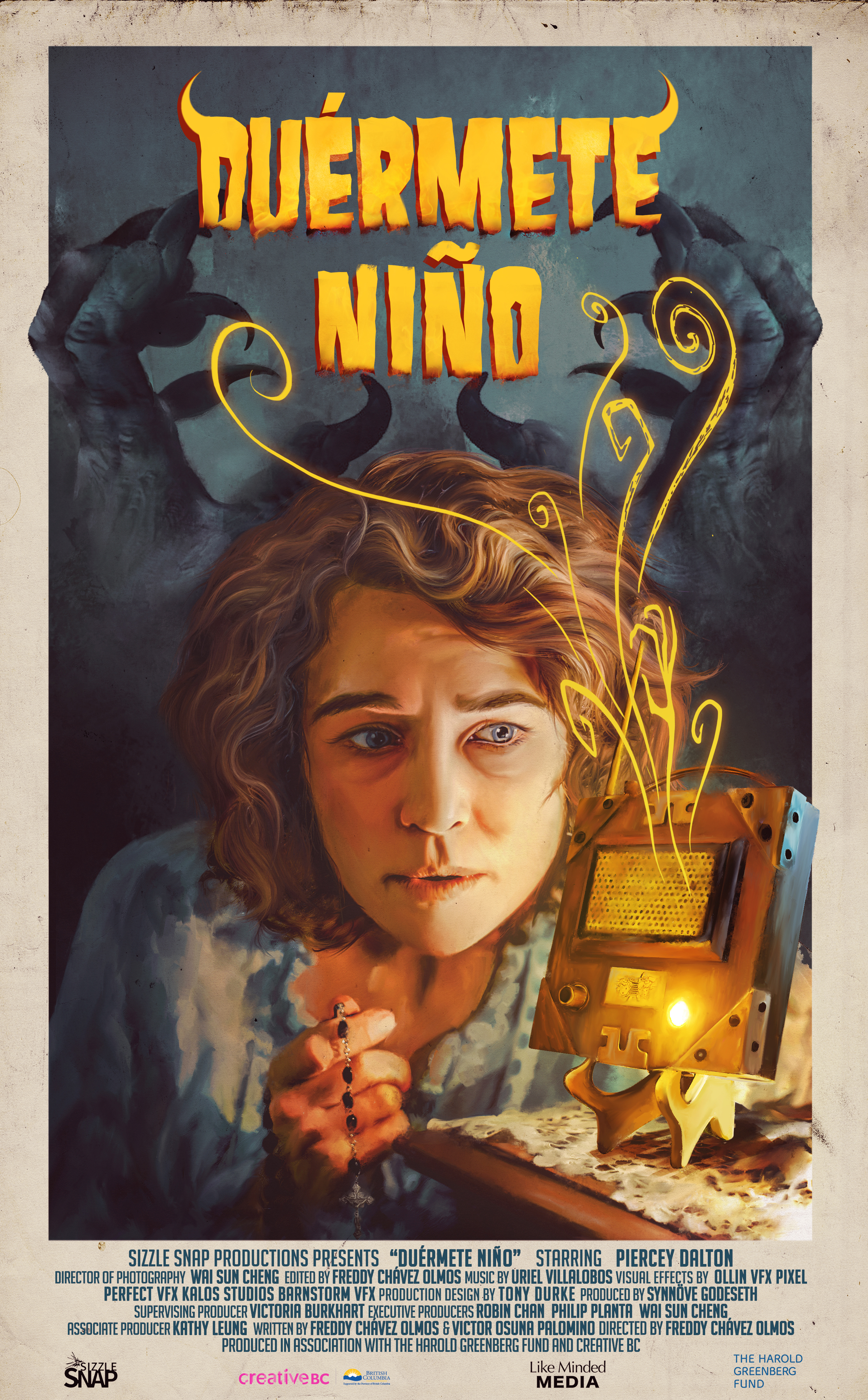 Clocking in at under ten minutes total (only about seven of which is the actual film) Duérmete Niño (Rock-a-bye Baby) is an interesting little slice of horror. Inspired by a real, sleep deprived nightmare that director Freddy Chávez experienced after the birth of his daughter, this short captures the horror and anxiety of being a new parent in a very creative and unusual way.
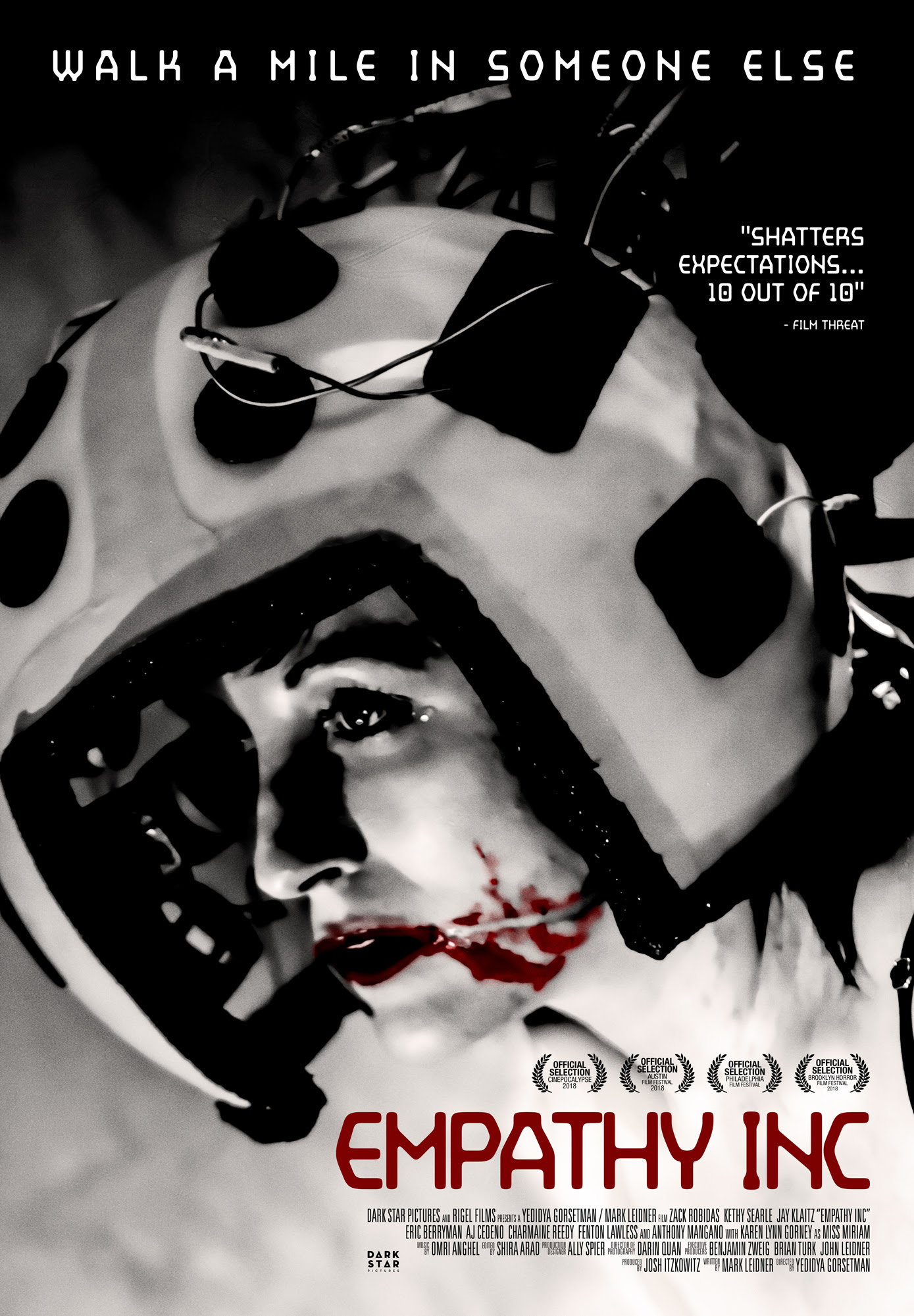 As new forms of media consumption are released so too are new cultural anxieties born, along with the films that reflect them. Whether it’s VHS in Videodrome or cell phones in One Missed Call, films have always been a way of expressing the inherent discomfort that is an inevitable part of adjusting to ever more rapidly changing technology. With VR becoming an increasingly prevalent part of our society, it’s only natural that films like Empathy Inc would come about to explore the darker side of the technology. Of course, the idea itself is nothing new and classic films from Total Recall to The Matrix and many in between have delved into the potential consequences of experiencing a virtual world that is indistinguishable from our own. However, while this was an abstract concept in the ‘90s, ever advancing technology is bringing us closer to this becoming a reality, making the subject far more prescient today.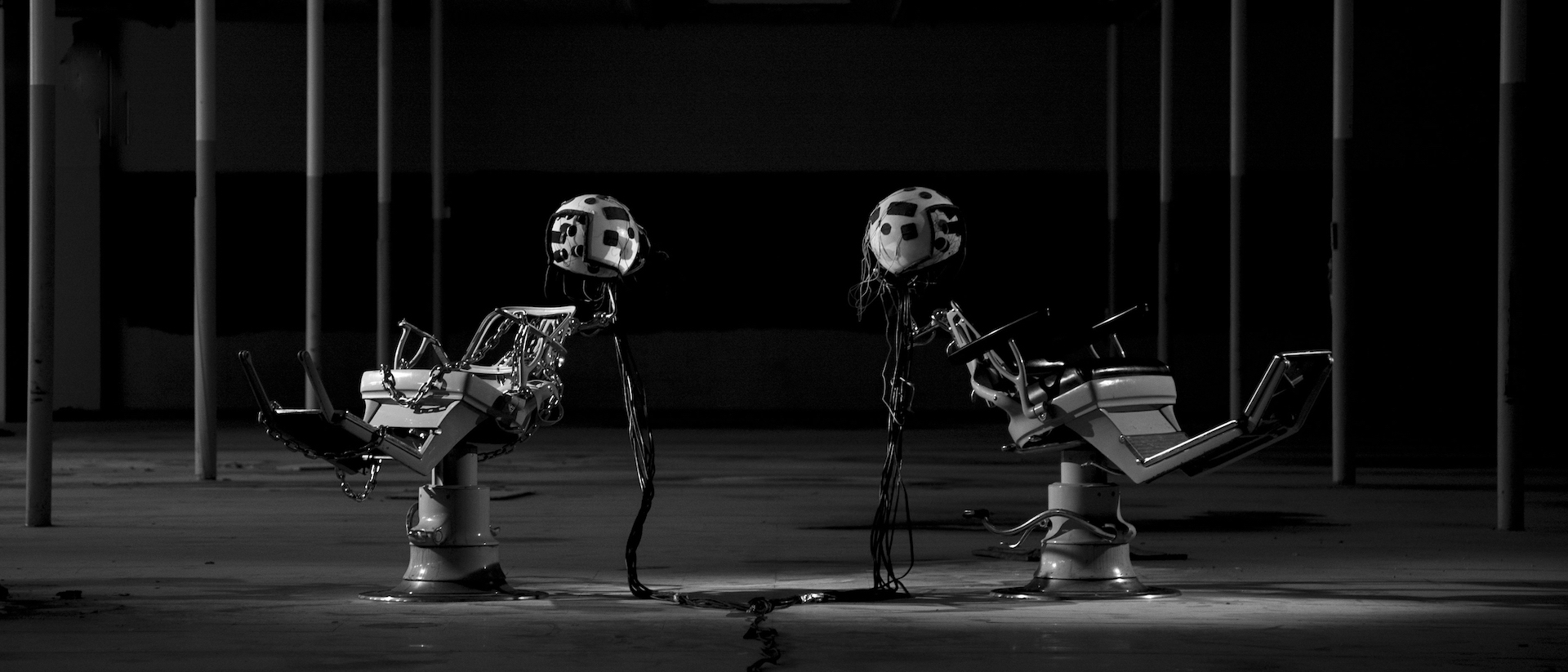

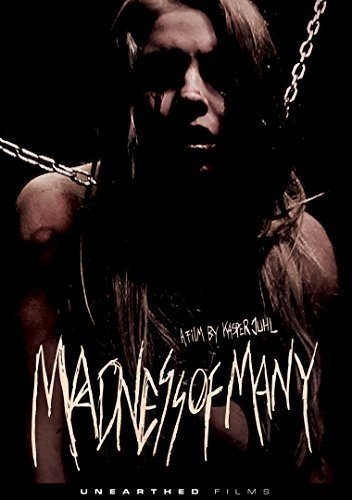 If you like your torture porn with a hefty helping of pseudo-philosophy, then Madness of Many might just be the film for you. At least, that’s what Danish filmmaker Kasper Juhl is hoping you’re into because his 2013 feature packs a surprising amount of both into its scant 73 minute run-time. Is this an effective combination? Should voice over be used in more than 90% of a film? Who the fuck are all these people being tortured and what exactly is going on here? Read on, for the answers to some of these questions in the review below!
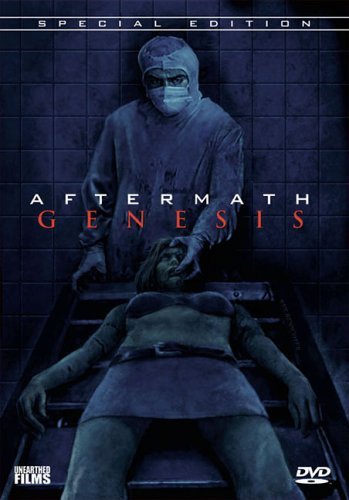 Ahhh corpse fucking, a taboo subject that even the most hardcore of Extreme Cinema films rarely delve into. Sure, directors are willing to mutilate teenagers with chainsaws and machetes all day but once you add in a touch of deviant sexuality it goes to a whole different level for most people. Obviously you’ve got your underground classics like the Nekromantik films or even a bizarre romantic drama like Kissed, but all in all it’s a pretty short list of films that make necrophilia the central focus. Of course, an essential entry to that list is Nacho Cerd
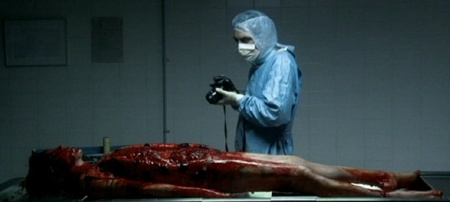 Every detail inside the surgeon’s lab is so meticulously created that it gives an incredible level of authenticity to the overall film. This is helped greatly by the fact that it was filmed within a real forensic institute in Barcelona and that Cerd

