Climate of the Hunter (2021)

The great thing about the vampire mythos is that it’s malleable and as such we get to have numerous artistic interpretations of it. As one of the most popular mythic creatures, vampires have been represented in a wide variety of ways from a subtle and abstract metaphor for addiction in Ganja & Hess to the bloodthirsty monsters in 30 Days of Night and countless other creative iterations. Because of this there really is no wrong way to represent a vampire (except when they sparkle in the fucking sunlight) so director Mickey Reece’s highly unconventional take on the classic bloodsuckers is just as valid as any other interpretation, even if the end result is a bit of a mixed bag.

Climate of the Hunter tells the story of Wesley (Ben Hall), a writer who returns to the states after a 20 year absence abroad due to a significant deterioration in his wife’s mental health that requires her to be institutionalized. While staying in the nearby vacation town in the quiet off season he reconnects with a pair of sisters Alma (Ginger Gilmartin) and Elizabeth (Mary Buss) whom he had known years earlier. As Wesley’s wife sits catatonic in a mental hospital he spends a significant amount of his time flirting with both sisters, causing tension and jealousies to rise between the ladies. Alma’s own mental health also comes into question, especially as her suspicions mount that not only is Wesley no longer the man she once knew but has in fact turned into a malevolent supernatural creature.

Once you start this film it doesn’t take long to realize that the story Reece is telling is far from a conventional vampire tale. Instead CotH is a slow-burn and increasingly surreal journey that is intended to make the audience question the reality of what they see unfolding. The aesthetic here plays a big part in that and the authentically degraded footage makes it feel like a found relic that was actually filmed in 1977 rather than just taking place during that time. The surreal tone is further bolstered by the fact that the numerous vintage meals that are featured in the film always start with an insert shot of the food and an unknown female narrator’s introduction.
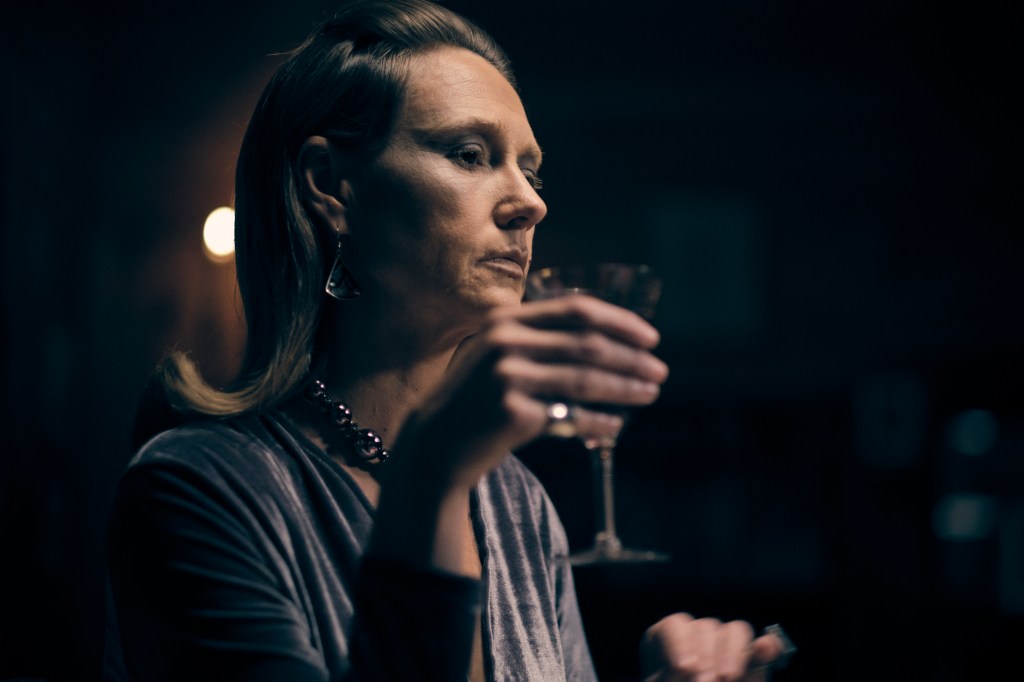
From start to finish the film feels strange, off kilter (and dare I say, even Lynchian) with the subtly surreal world that is brought to life by the exceptional performances of the cast. This aspect works incredibly well and made me want to spend more time in the weird world Reece created. The fundamental problem here is that the world isn’t quite weird enough and I was quite disappointed to see that so much of the beautifully strange footage from the trailer was relegated to dream sequences rather than being incorporated into the story in a more meaningful way.

Since Alma’s sanity is in question from the start, Reece’s intention is clearly to create an ambiguous reality that will keep the audience guessing whether what they are seeing is real or simply part of her delusions. If he had more successfully blurred the lines of reality and incorporated a more palpable sense of menace and dread the end result would have been something truly exquisite. As it is, the series of odd meals the characters share start to feel stagnant and repetitive as Wesley once again waxes poetic while the women cut each other down with barbs and snide comments. Ultimately this results in an interesting and unusual film that’s good but remains frustratingly close to actually being great.

Blind (2020)

Horror films like to play with our sense of vulnerability by showing characters in a weakened or disadvantaged state, whether it’s due to being trapped somewhere out of their element, trying to fight off supernaturally strong enemies, etc. When a character has a disability that already puts them at a physical disadvantage, it can be an opportunity to crank the tension up even further as their fight for survival becomes even more difficult. We saw this concept play out to great effect in 2016’s Hush, so I was curious if this version of the single-disabled-woman-being-terrorized-in-her-own-home-by-a-sadistic-killer story would work as well in Blind.

At the start of the film we see Faye (Sarah French), a Hollywood actress still trying to adjust to her new life a year after a botched Lasik procedure caused her to lose her sight and her career along with it. As difficult as her life has become, things get considerably worse for her when a deranged killer in a Ken doll mask begins terrorizing her and murdering her friends.

First of all, I’d like to point out that to date there has never been a reported case of a patient losing their sight as a direct result of a Lasik procedure, so that pretty much deflates the central concept right from the start. Regardless, I was more than willing to move past that as I watched the beautifully shot scenes unfold and waited for the horror to kick in. Turns out I would be waiting for what felt like an eternity as the first third of this film is almost entirely devoted to watching Faye wallow in depression, attend group therapy, and start up an awkward will-they-won’t-they relationship with her mute friend Luke (Tyler Gallant).

Any well-made film should be able to establish an empathetic protagonist in a short amount of time and if you need to spend thirty minutes just trying to make the audience care about your characters while the central conflict remains jammed in neutral, then you’ve already lost them. There are some decent kills to be had once things get rolling but the film lacks any kind of real tension which makes the majority of it feel boring rather than engaging.

Part of the issue may be that Faye spends so much time being completely oblivious to the killer lurking around her house that he no longer feels threatening. It just kept bringing Hush to mind for me since that film had such a similar concept yet was able to keep things tense and exciting the whole time. I also cared a lot more about those characters with far less time devoted to trying to force me to do so and none of the melodramatic love story crammed in.

The strangest thing about Blind is that it has all the ingredients of a film that should work, they just fail to come together. The acting is solid all around, there’s great sound design, and there is no question that the film is beautifully shot. I like the look of the killer “Pretty Boy” and there is one scene in particular where he is sitting there in his doll mask and blood-soaked white tux that is truly iconic. Director Marcel Walz is clearing aping Nicolas Winding Refn’s style a bit with his use of red and blue saturation and dreamy 80s style synth but has nevertheless created a piece that is very visually appealing. I’m sure that with a tighter, more horror focused script he could create something that is truly great.

A Night of Horror: Nightmare Radio (2019)

Nightmare RadioI love horror anthology films and while we may not be getting as many these days as we did during the resurgence of their popularity in the early to mid 2010s, it’s good to see that they are still popping up occasionally. Typically these films will feature the collaboration of multiple directors and are a great way to showcase various talents within a single project. The structure allows the audience to be a little more forgiving of the overall film as stronger entries can sometimes redeem the goodwill lost by weaker ones. Ultimately though, the finished film is still a sum of its parts and today we’ll see if A Night of Horror: Nightmare Radio serves as a suitable distraction during these troubled times.

Every good anthology film needs a solid framing device to tie things together and in this case it comes in the form of a radio DJ named Rod (James Wright) telling scary stories during his show. There’s a good variety within the stories themselves as Rod spins tales of murder, revenge, and the supernatural. The cold open of the film shows a story of a vengeful ghost while the next deals with the very real and very creepy Victorian era practice of photographing the dead. Subsequent stories involve a sinister stylist, cruel and unusual prison punishment, a Spanish dancer with strange stomach pains, and a child who makes a frightening discovery in the kitchen. The final two stories involve a hunter with very unusual prey and a woman hearing odd noises while she is home alone. Rod’s story also follows its own arc and builds towards a satisfying and interesting twist that nicely caps off the preceding tales.

Nightmare Radio Pic

Fortunately there aren’t any entries that are simply bad but there are definitely some that are more successful than others. One of the standouts was the entry about the prisoner which managed to be morally complex and the degree to which viewers find it cathartic or disturbing is sure to vary depending on the person. Another highlight was the postmortem photography entry which had excellent structure and pacing, delivering a very complete, concise, and chilling story in just a few short minutes. I also want to give credit to the final story (and arguably scariest entry in the anthology) which does an incredible job expanding upon the unnerving sense of foreboding one can get while alone in their own house at night.

The only parts that don’t work here are a couple of times where the story didn’t quite come together as well as it should have. Unfortunately, the opening vignette suffers from this the most as the engaging visuals are undercut by a muddled story that fails to make any fucking sense whatsoever and seems more like a disparate collection of ideas than an actual narrative. Similarly, the hunter segment works well on its own but its introduction throws an unnecessary layer of confusion into the character motivations and inherent logic within the story itself.

These are ultimately minor quibbles though, because as a whole, Nightmare Radio is incredibly successful and every segment is exquisitely shot, well acted, and showcases brilliant special effects. This is definitely one to keep an eye out for and something that fans of horror anthologies will certainly want to tune into.

4-stars-red

The Dinner Party (2020)

unnamed (3)Sometimes just the fact that a film is in the horror genre tips you off that the plot is going to go in a certain direction. I mean, if a movie called The Dinner Party had everything go completely well for the characters the entire time you’d probably end up with a drama (and a damn boring one at that). So, while there is a certain amount of predictability and expectation within the basic structure itself, the real test of artistry is found in how well the filmmakers can finesse the details and create something original. Sometimes this means artists will take big swings with unusual concepts and plot twists, the end result of which is invariably a brilliant hit….or a spectacular miss.

Small-time playwright Jeff (Mike Mayhall) seems to have gotten the opportunity of a lifetime when he is invited to a secret dinner party by a group of wealthy elites with enough pull to get his work onto Broadway. His wife Haley (Alli Hart) gets dragged along for the ride and before long the couple is bearing witness to the increasingly strange behavior of their wealthy hosts.

I always appreciate it when independent filmmakers are able to work well within their financial limitations and play to their strengths. Co-writer/director Miles Doleac (who also plays Vincent in the film) clearly understands this concept as he wisely keeps the action limited to one central location and utilizes a talented cast to bring life to the characters. Sawandi Wilson especially deserves to be recognized for his portrayal of the flamboyant and unhinged Sebastian which he imbues with a significant amount of subtly and depth.R4_1.61.1

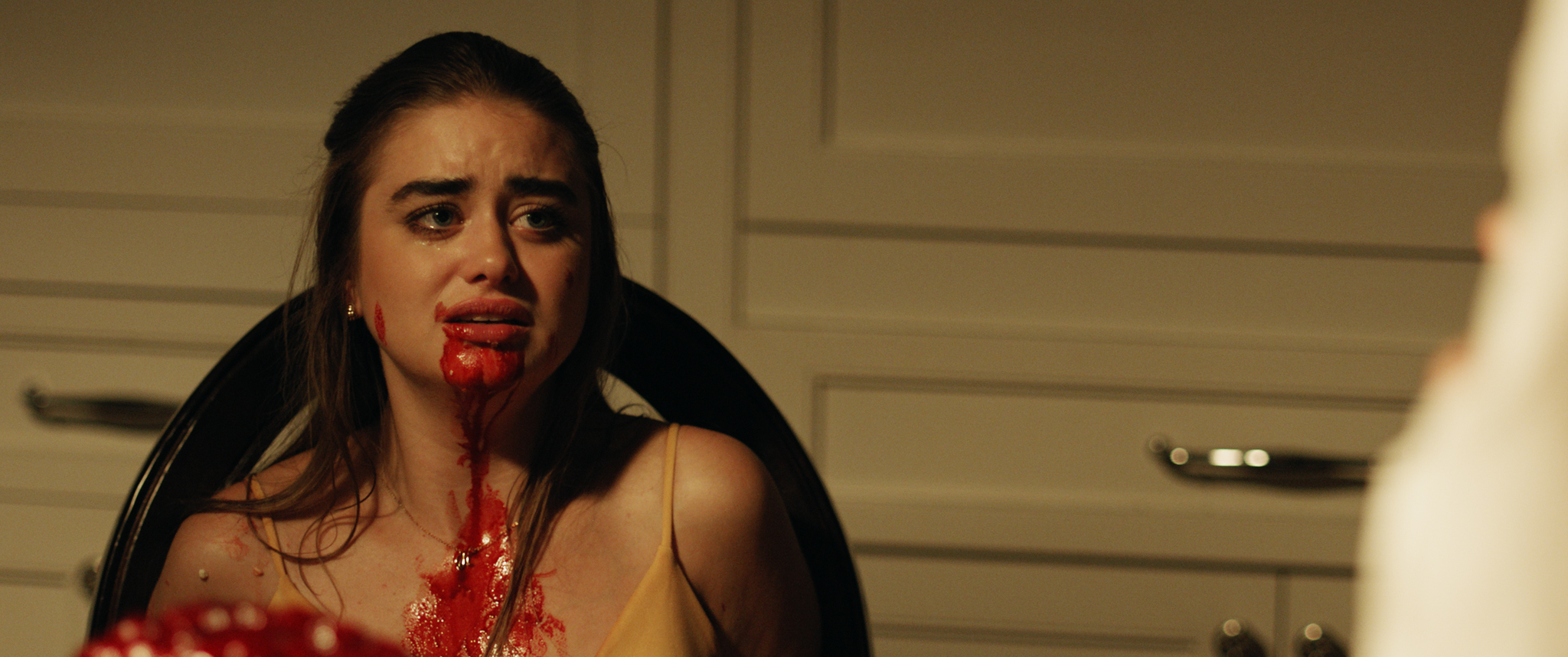
The most welcome surprise for me however was just how depraved the film got at times, diving headlong into dark territory with cannibalism, necrophilia, and some scenes of gruesome violence. Doleac does an excellent job lulling the viewer into a false sense of security with warm, comfortable lighting and high-brow conversation right before violently yanking the rug out from under them. It’s a clever and subtle touch that mirrors the experience the characters are having and the solid acting across the board sells it perfectly.

A less successful gamble comes in the form of a third act twist (the details of which I won’t spoil) that severely erodes much of the good will the film had earned up until that point. It’s really unfortunate too because up until then I had really been enjoying the film. I mean sure there were lengthy discussions about opera that were as gratuitous as they were pretentious but this was still right on track for a four star rating. Not so once the “big revelation” slaps the audience across the face with a ridiculous concept that would be utterly eye-rolling in any film and feels exceptionally out of place here. You won’t have much time to dwell on it though because after that the film barrels toward the end credits, leaving in its wake a series of carelessly unanswered questions that put a nonsensical bow on an otherwise well made film.

Had this film simply carried along on the track it was already on for most of the runtime it would have ended up being a very solid horror experience punctuated with some great details and wry social commentary. Unfortunately, in its attempt to be entirely too clever for its own good, a mostly satisfying experience ultimately left me with a bad taste in my mouth.

3-stars-red

M.O.M. Mother of Monsters (2020)

M.O.MEver since The Blair Witch Project exploded onto the horror scene in 1999 and crushed the box office to the tune of a quarter billion dollars, countless filmmakers have tried their hand at tapping into that low cost Cinéma vérité style magic. Now that it’s 21 years later any filmmaker looking to utilize that format needs to bring something more to the table than abandoned footage found in the woods. Fortunately, M.O.M (Mother of Monsters) does bring an innovative twist to the standard formula as all the footage comes directly from cameras that characters use within the world of the film.
This approach alone isn’t unique but the justification and execution make it work better than most. Old home movie footage is spliced with straight to camera testimonials and consumer grade home surveillance as Abbey (Melinda Page Hamilton) obsessively documents the actions of her teenage son Jacob (Bailey Edwards). The more we see, the more it seems that this strung out single mother has good cause to worry as Jacob kills animals, has violent outbursts, and makes troubling maps of his school. Is Abbey uncovering the genesis of a dangerous criminal in the making…or is something else entirely going on?

Since the film devotes so much run-time to trying to make the viewer wonder about Jacob’s true motivations, it’s unfortunate that an early scene on an overpass heavily tips the scales, clearly showing which character is capable of committing unrepentant acts of violence. While the scene itself is well done, the film would be far stronger without it and would allow for some actual ambiguity throughout the story. It’s a shame too since the novel approach actually does effectively make use of the found footage conceit in a way that is modern, innovative and justified (mostly) within the world of the film. It also maintains a storyline that does drag a bit in places but overall manages to be engaging and at times all too real.

M.O.M’s true strength however is with its actors, which is fortunate as this is pretty much a two-hander between mother and son. The acting (and I cannot overstate this) is fucking incredible! Hamilton and Edwards truly live inside their characters and their pitch-perfect depiction is what makes the film work. The nuance and subtlety that they bring to their roles make this prescient story about a young man potentially going down a violent path feel even more dangerous and real. In a world where senseless acts of violence are commonplace, a film that reflects the anxiety that the true monsters can be found within the people we are closest to is a very scary concept indeed.

3-5-stars-red

Empathy Inc (2019)

Empathy1As new forms of media consumption are released so too are new cultural anxieties born, along with the films that reflect them. Whether it’s VHS in Videodrome or cell phones in One Missed Call, films have always been a way of expressing the inherent discomfort that is an inevitable part of adjusting to ever more rapidly changing technology. With VR becoming an increasingly prevalent part of our society, it’s only natural that films like Empathy Inc would come about to explore the darker side of the technology. Of course, the idea itself is nothing new and classic films from Total Recall to The Matrix and many in between have delved into the potential consequences of experiencing a virtual world that is indistinguishable from our own. However, while this was an abstract concept in the ‘90s, ever advancing technology is bringing us closer to this becoming a reality, making the subject far more prescient today.

The story centers around Joel (Zack Robidas) who has to move with his wife Jessica (Kathy Searle) from Silicon Valley to her parent’s house on the east coast following a public scandal and the closure of his company. When an opportunity comes along to get in on the ground floor of a new company that promises a unique VR experience, Joel sees it as his way to get back in the game and convinces his father-in-law (Fenton Lawless) to invest his family’s entire nest egg in the venture. As you can imagine, it’s not long before things start to go horribly wrong.

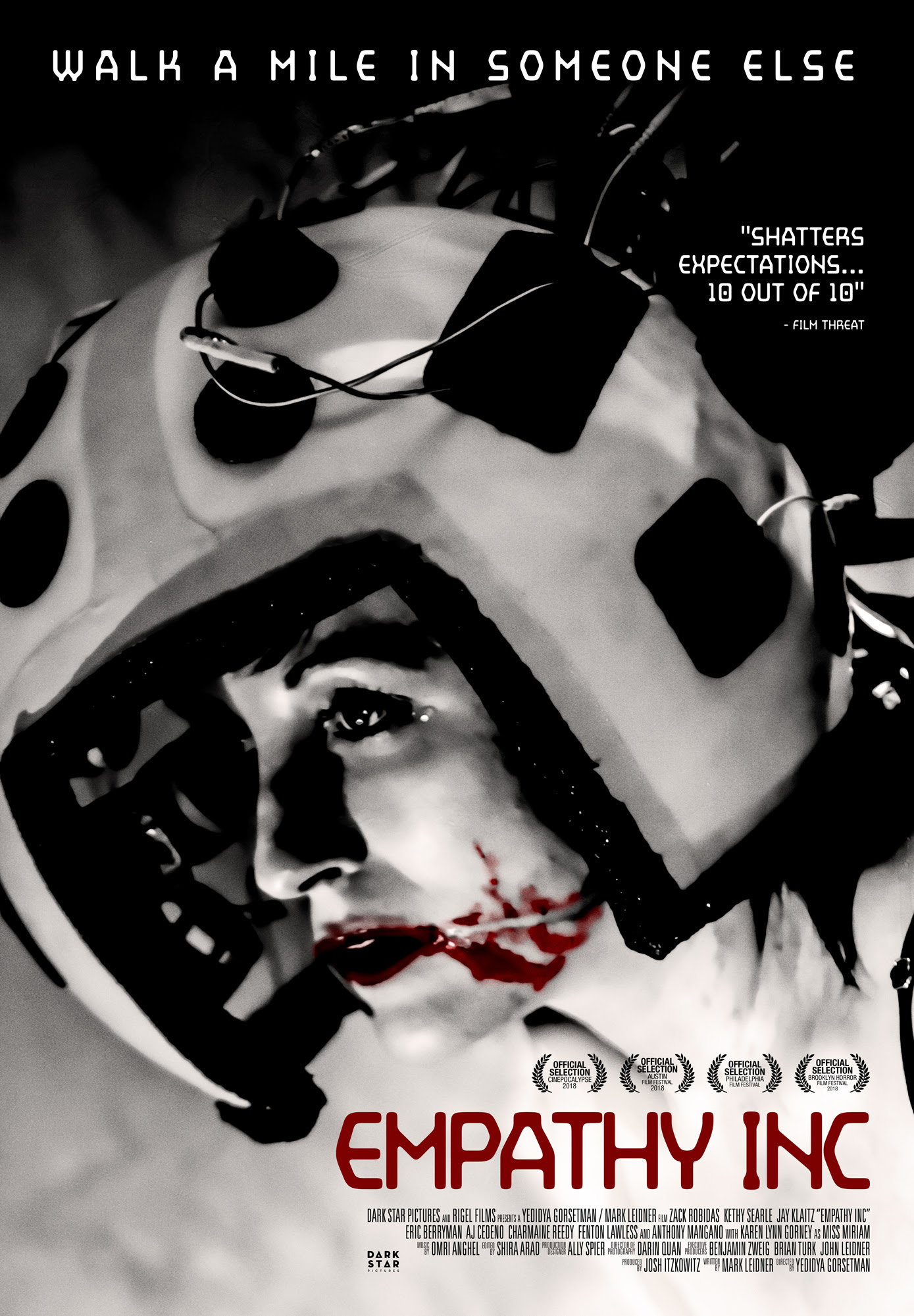
Of all the VR themed films, Empathy Inc draws the most influence from Strange Days as its invented technology also allows users to enter a fully immersive world where they can live out experiences that are completely foreign to their own in a supposedly consequence-free environment. It does put its own unique spin on the concept (which I won’t spoil here) that makes it feel like a fresh take on the subject rather than a rehash. Unfortunately, this unique take also brings up some important questions that are not resolved like “given all that’s involved, would people really pay for this experience?” Even if they would, the logistics of actually pulling it off seem highly impractical and regardless of how far out your concept is, it needs to be grounded within the logic of the world it creates.

Empathy pic

Despite some glaring inconsistencies with how it’s used, the technology itself is actually an easier sell than some minor but significant plot points that could have been easily addressed in a rewrite. I mean, I’m more than willing to suspend disbelief for the idea of world where fully immersive VR is possible but a world where you can easily sneak a gun onto a cross-country flight (twice) is just far too ridiculous to accept. This is also apparently the same world where you can wander around a city and accidentally run into the exact person you are looking for by pure coincidence.

It’s really a shame that these entirely script-based issues exist because they take away from a film that is otherwise executed incredibly well. The camerawork is beautiful and the black and white aesthetic works very well, especially for the high-contrast shots. Director Yedidya Gorsetman also wisely chooses to keep the effects simple and execute them well which adds much more production value than attempting to overreach far beyond what the budget allows. I would also be remiss if I didn’t mention the acting which is simply flawless across the board and especially impressive given the events of the third act.

All in all Empathy Inc is an interesting film with a unique perspective that is worth the watch but certainly won’t be supplanting VR classics like eXistenZ or Strange Days anytime soon.


2-5-stars-red

The Cannibal Club (2019)

CannibalClub_Key ArtCannibalism in film is generally depicted in one of two ways; either it’s being perpetrated by savage maniacs who messily devour human flesh or savored by members of high society as an indulgent and sophisticated ritual. As is immediately evident by the cover art, The Cannibal Club clearly falls into the latter category. These sorts of depictions tend to have an undercurrent of social commentary, as the rich literally devour the lower classes for their own pleasure and this film is no different in that regard. However, that is far from all that TCC has to offer as this delectable treat gives viewers a lot more to chew on.
Wealthy social elites Otavio (Tavinho Teixeira) and Gilda (Ana Luiza Rios) are a Brazilian power couple who enjoy indulging in the flesh of their workers, in every sense of the word. Their life of leisure and twisted pleasures soon becomes threatened when Gilda accidentally uncovers the truth about a prominent member of the secret society that Otavio is part of.Cannibal Club - Still 2

There is a lot to like about this film, from the flawless acting, to the beautiful camerawork and of course the graphic gore effects, which are utterly sublime. What’s most interesting though is the unconventional and unpredictable script that subverts the expectations of what a film like this can be. I imagine that had this been made in Hollywood (or when the inevitable, ill conceived remake is greenlit) the plot would have the couple portrayed as the antagonists or softened their characters with a significant amount of remorse. Instead TCC leans into the twisted nature of its protagonists while still portraying them as fully fleshed out people in an imperfect and realistic relationship.

The only thing that I found lacking here (and frankly a bit surprising) was that a film with such graphic sexuality and violence would occasionally shy away from the good stuff and have it take place off screen. Perhaps writer/director Guto Parente was going for a “less is more” approach with these scenes and while they are still effective, I couldn’t help but feel a little cheated out of some great gore that I thought was coming.

cc2Fear not though gore hounds because there is still plenty of violence on display, especially as the film works up to its climactic ending. I also want to give credit to the fact that the social commentary is woven subtly and expertly into the story which gives the message a lot more resonance, especially in this day and age. So, if you are looking for an exotic and satisfying treat to satiate your darker appetites, you’ll definitely want to put this one on the menu.
 

4-stars-red

The 6th Friend (2016)

unnamed

The concept of feminism as it pertains to horror is a conversation unto itself but suffice it to say some subgenres lend themselves to it more naturally than others. For instance rape/revenge films (when done properly) can convey a powerful message about reclaiming power and seeking justice against the assailants. The slasher subgenre is a little more ambiguous on this subject because yes, the typical Final Girl getting the best of the villain can be seen as empowering but much of the runtime of your standard slasher features a male character gruesomely murdering a mostly female cast. All this to say that when a slasher comes out that is unequivocally feminist it is an occasion to take notice and that’s exactly what we get in The 6th Friend.

The film opens with a small group of friends enjoying a typical night of partying that soon turns into a traumatic event that they endure together. Some time later Melissa (Chantelle Albers) tries to stitch the group back together with a retreat to a remote cabin in the woods. Joey (Jamie Bernadette, who also co-wrote) has been the most affected by the experience and comes along very reluctantly, not wanting anything that will remind her of that traumatic night. But of course the past has a way of finding you and soon the women are in a fight for their lives against the very thing they were trying to forget.

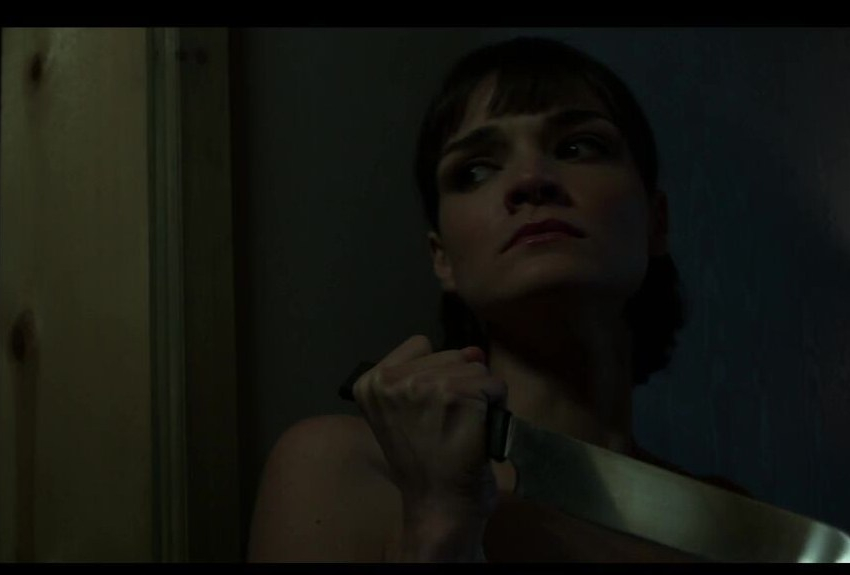
In an age when every other slasher seems to take place in the woods, it’s nice to see a film6th-friend-knife-e1547402796837.jpeg that makes an effort to establish the characters as real people and not just derivative stereotypes, thereby elevating the story above its basic setting. The feminist theme and social commentary also helps to set it apart and factors heavily into some major plot points (which I won’t spoil here) as well as dialogue that feels especially prescient today. It’s also nice that the characters (mostly) make logical decisions in service of their own survival although it does make it more noticeable the few times that they don’t. The twist nicely ties into the story thematically but it does make some of the earlier scenes feel like a bit of a reach as a result.
Originally released to home media in 2016, the film is finally getting a long overdue theatrical release as of January 11th 2019. It’s great to see this film getting the big screen treatment because in an industry crammed full of remakes and cheap cash-ins, a fresh perspective is always a welcome change. Definitely a trip into the woods that’s well worth taking.

3-5-stars-red

Bloody Ballet (2018)

unnamedBloody Ballet (aka Fantasma) certainly starts off promisingly enough. Snow falls heavily in the night sky as approaching police cars begin to illuminate the solitary figure of a young girl standing still, unmoved by the cold and completely unresponsive. The haunting score swells as the slow motion scene unfolds to reveal the bodies of her brutally murdered parents and I am officially hooked. Of course, it’s one thing to get the audience’s attention and quite another to actually hold it.
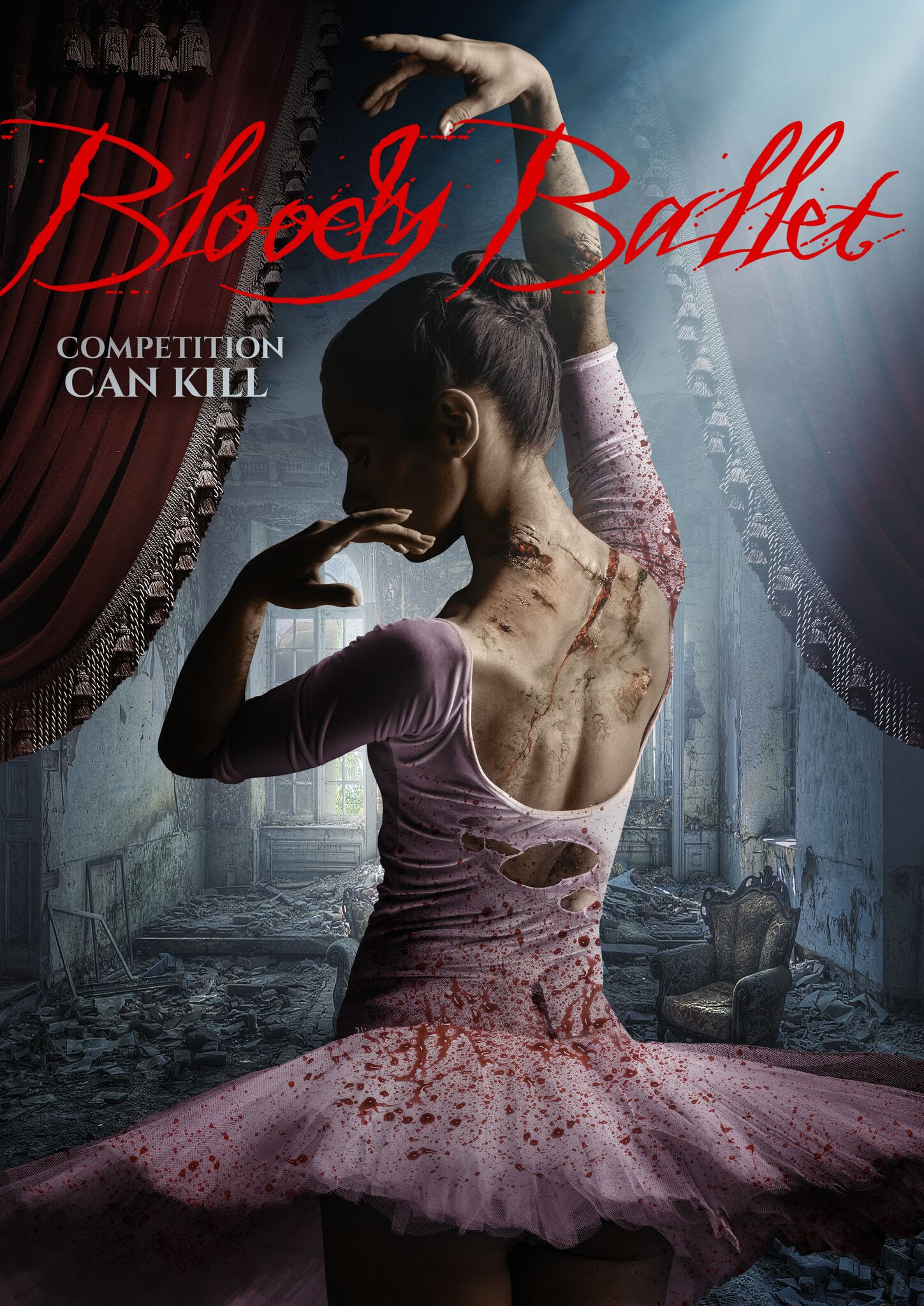
After the opening scene the movie flashes forward to follow a professional ballerina named Adriana (Kendra Carelli) who we soon learn is the girl from the beginning. Adriana’s initial excitement at being cast as the lead in the Nutcracker is quickly tempered by the fact that her fellow ballerinas startgetting murdered all around her and worst of all, the killer has the same eye-gouging m.o as whoever killed her parents.

Bloody Ballet was initially released in 2017 under the title Fantasma and the cynical part of me can’t help but notice that the new VOD re-release (under a more audience-friendly title) happens to coincide pretty closely with the theatrical release of the Suspiria remake. Of course, if there was ever a film to try and ride the coattails of into the spotlight that would be it because Bloody Ballet is more than just a little Giallo inspired.

As the masked, black-gloved killer slashes his way through synth-scored scenes drenched in red and blue light it’s clear that this film is wearing its Argento influence firmly on its sleeve. That’s actually not a bad thing in this case though because while it’s clearly not a high budget film, the production design (particularly in the more stylized scenes) is a highlight of the movie. The real star of the show however are the kills which are stylish, surprisingly brutal, and feature a significant amount of ocular trauma.

It’s always nice to see solid kills in a horror movie but in this case they are interspersed between a series of scenes featuring unconvincing acting and a plot that starts out wobbly and nose-dives into terrible toward the end of the film. The general concept is good but it doesn’t help that the character of the journalist feels completely superfluous and the supernatural elements of the story are awkwardly and clumsily shoehorned in. I’d be more willing to forgive these issues were they not coupled with the most egregious of filmmaking sins, the blatant and utterly gratuitous use of voice-over exposition.

Having the characters waste dialogue on multiple occasions explaining motivation and plot points that are already glaringly obvious is bad enough, but when the V.O kicks on at the end just to make sure it’s really, really clear I felt an overwhelming urge to throw my remote at the TV. Apparently, writer/director Brett Mullen hasn’t had the concept of “show, don’t tell” explained to him and I was somewhat surprised that he didn’t simply cut to a scene of himself reading the script out loud to the audience before climbing out of the TV to literally beat us over the head with it.

It’s really a shame that the quality visuals of this film have to be tainted by these ill-conceived and avoidable missteps, but this is definitely a case where an aggressive re-cut could greatly improve the end result. If Mullen simply removed all traces of V.O and trimmed off the scenes that didn’t move the central plot forwarded there would be a very decent film here, assuming there was enough footage left to still qualify as a feature.

2-5-stars-red

Luciferina (2018)

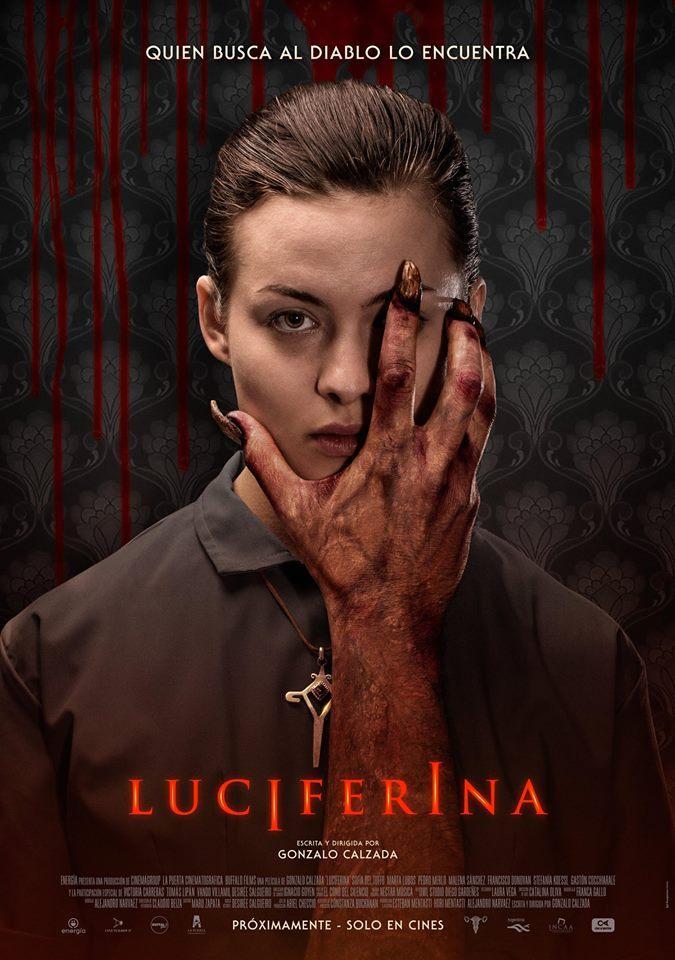
LuciferinaThe demonic possession sub-genre of horror is one that ebbs and flows in popular consciousness but never truly disappears. Perhaps this is because the idea of losing control to a powerful unseen force is something that can have the ability to instill a profound sense of dread within us, at least when it’s executed properly. Whether or not it factors in a heavy dose of religious anxiety, as they usually do, the general concept of demonic possession is a well that’s been dipped into many times and with the success of recent films like Hereditary, you can expect that trend to be on an upward swing. This means that for films on this topic to stand out, there needs to be more to their plot than a by-the-numbers rehashing of The Exorcist and today we’ll see if Luciferina has what it takes to stand out from the crowd.

The film centers around a young nun named Natalia (Sofía Del Tuffo) who must return home after a sudden “accident” leaves her mother dead and her father catatonic. Once home she is reunited with her troubled sister Angela (Malena Sánchez) who insists she join her and her friends on a trip to an isolated island where a shaman is going to perform an Ayahuasca based cleansing rite on them. Concerned about Angela’s safety in the presence of her abusive boyfriend, Natalia agrees to join them on the trip and, this being a horror film, it’s no surprise that things quickly take a turn for the worse.

At the heart of any film are the characters themselves and the fact that Luciferina really takes its time to effectively develop them into real people rather than stereotypes pays off, as it makes the story significantly more engaging. I wasn’t even thinking about the fact that the plot could essentially be described as a group of young, attractive people being terrorized in an isolated location the woods because it feels worlds away from schlock like Dark Forest and the myriad of others more typically associated with that general plotline.

Of course developed characters are only one piece of the puzzle but thankfully Luciferina is also able to deliver superb, realistic performances and some great, bloody, practical effects. The story is also unconventional and interesting and boasts some genuinely chilling moments and unpredictable turns. Still, there are some points where the story line itself can feel a little muddled and a few scenes that would have benefited from a bit more clarity, but not enough to significantly detract from the overall experience. As long as films of this kind are bringing this level of quality to the sub-genre, then demonic possession will remain a horror staple for years to come.

3-5-stars-red