

Call me old-school but the idea of an A.I servant sitting idle and listening to your every word never sat well with me and I won’t have Alexa, Google Nest, or any of that weird, Big Brother shit in my house. While that no doubt sounds ridiculous to some, I’m clearly not the only one who has felt disquieted by the ubiquitous self-imposed surveillance of our modern world as films like L.U.N.A. deal with this very specific technological anxiety.
In the world of the film, the Alexa surrogate is called L.U.N.A and is a pyramid shaped device that technicians like Lilian (Fernanda Romero) spend a lot of time making house calls to repair. When she is summoned to the creepy old mansion that young couple Jamie and Sarah Cambell (Lauren Bair and Lauren Deshane) recently moved into she soon finds that this is far from an ordinary call.
Even more than the horror elements of this story the strangest thing about this reality is the reliability of the devices themselves. Apparently (according to the film) they break down so frequently and in such great quantity that technicians such as Lillian have to work from 6 in the morning till well after dark just to try and keep up with what must be an unfathomable amount of malfunctioning units. Given that the repair call itself seems to take less than five minutes, the surrounding community must be absolutely lousy with broken L.U.N.As that must be serviced in-person at all hours, from the break of dawn to the dead of night.
It’s just strange that a film that is so careful to logically justify so many aspects of the world would leave such an odd detail hanging. If the L.U.N.As themselves were built into the house or at least larger than a decorative paperweight, then there would have been more justification for Lillian’s job. Despite how much time I’m spending focusing on this particular aspect of the story, what’s most important is how well the overall components of the production work.
To that end, it’s an incredibly well-realized vision that wears its Giallo influences proudly on it’s sleeve (or in Sarah’s case, directly on her Inferno shirt). The creative camerawork, bold stylistic choices, pulsating synth score, and genuine tension all work in concert to deliver a very polished experience. In the end I was left wanting more, which was partly to the credit of the engaging story and partly because the abrupt ending was slightly unsatisfying. While the story did build effectively to its conclusion, it felt a bit more like the opening scene of a feature than a stand-alone short. Regardless, it’s a very well-made and entertaining piece of cinema and if it was to be expanded to a feature length production I’d happily line up to see it.

Availability: Unavailable

No release date as of review, visit http://www.blakevaz.com for updates and further information.




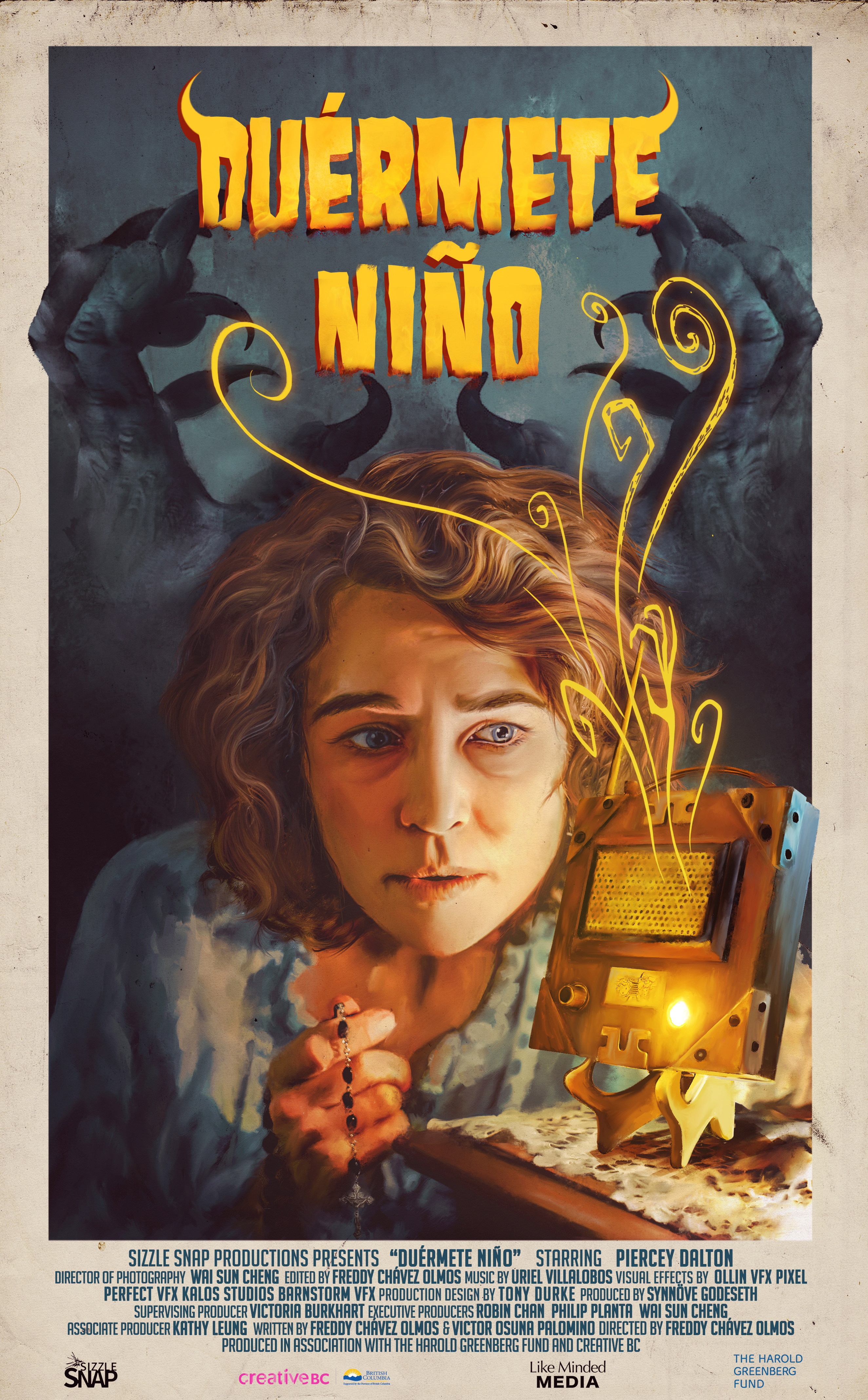 Clocking in at under ten minutes total (only about seven of which is the actual film) Duérmete Niño (Rock-a-bye Baby) is an interesting little slice of horror. Inspired by a real, sleep deprived nightmare that director Freddy Chávez experienced after the birth of his daughter, this short captures the horror and anxiety of being a new parent in a very creative and unusual way.

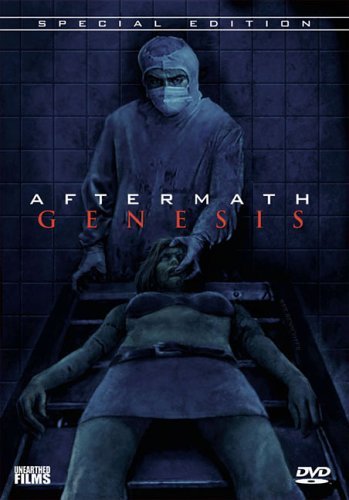 Ahhh corpse fucking, a taboo subject that even the most hardcore of Extreme Cinema films rarely delve into. Sure, directors are willing to mutilate teenagers with chainsaws and machetes all day but once you add in a touch of deviant sexuality it goes to a whole different level for most people. Obviously you’ve got your underground classics like the Nekromantik films or even a bizarre romantic drama like Kissed, but all in all it’s a pretty short list of films that make necrophilia the central focus. Of course, an essential entry to that list is Nacho Cerd
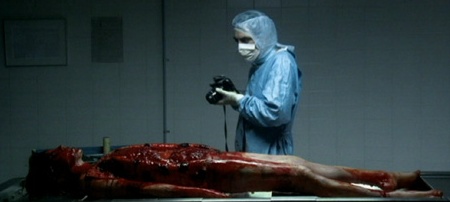 Every detail inside the surgeon’s lab is so meticulously created that it gives an incredible level of authenticity to the overall film. This is helped greatly by the fact that it was filmed within a real forensic institute in Barcelona and that Cerd

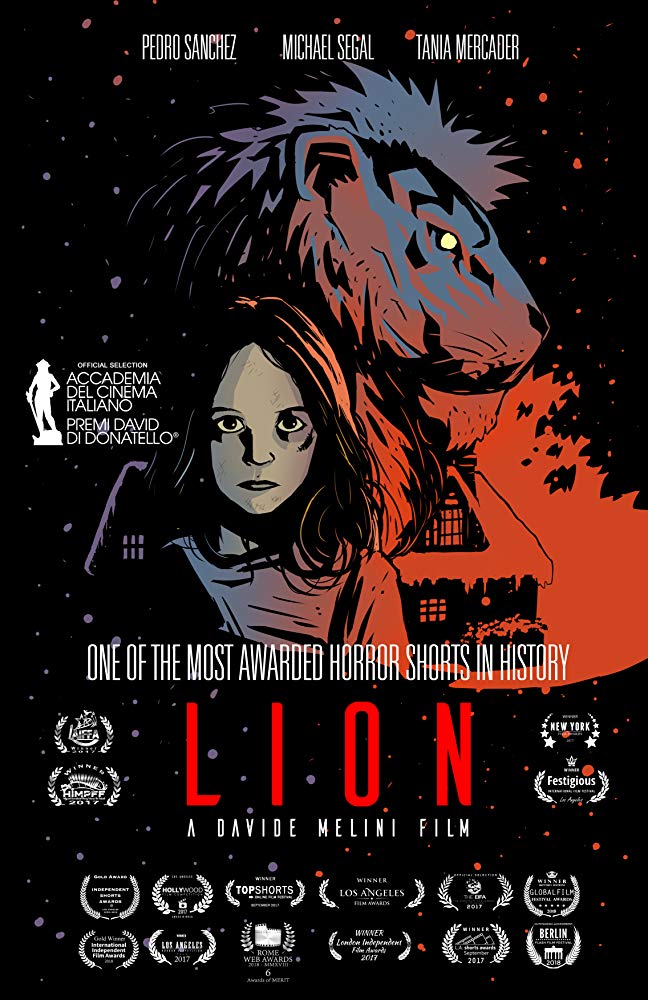 When working within the medium of short film it’s essential to communicate a lot of information in a small amount of time. Making the audience feel for the characters and telling a worthwhile story from beginning to end in just a few minutes is a very challenging task but Davide Melini’s Lion does all that and more within its concise runtime. Located entirely within the confines of an isolated family home somewhere in the snowy wilderness, Lion tells the story of an abused little boy who wishes his favorite animal could come and protect him from his own family.

