

Is it necessary to fully understand a film to enjoy and appreciate it? I would argue that it is not, for if that were the case surrealist masters like Jodorowsky and Lynch would never have ascended to their exalted levels within the film world. We still watch, discuss and are sometimes confounded by films like Holy Mountain and Eraserhead more than four decades later because there is far more beneath the strange visuals that bares fruit if we are patient enough to peel back the layers. Surreal films benefit from re-watching and further examination, the trick is to make your films good enough that its worth an audience’s time to do so.
Writer/director Chino Moya’s first feature is certainly a film that requires additional scrutiny to fully comprehend. While it’s not as overtly surreal as the previously mentioned films the slippery narrative thread and dream-like quality give it a viewing experience akin to Holy Motors with a healthy dose of High Rise mixed in. There aren’t exactly main characters nor is there a clear narrative through-line as segments seem to flow into each other, sometimes in the guise of stories told between characters, and occasionally intersect.
The structure in fact is more on par with a collection of short films taking place in a shared universe where the edges are muddied enough for them to meld into each other rather than all serving a common storyline. We see body collectors nonchalantly tossing corpses into their truck like they are common trash, a middle aged couple who’s frosty relationship threatens to become upended by an unexpected guest, a father telling his daughter a bedtime story of an unscrupulous merchant, a post-apocalyptic prison and an ordinary business man whose life becomes incalculably more complicated with the arrival of someone from the past.

Some of these segments flow very cleanly into each other, whereas at other times the connection is a bit more abstract. Regardless of their storyline similarities it’s really the emotional thread of dysfunctional relationships in a bleak and hopeless world that connects and links the stories. More importantly, the purpose of this film is not to provide a by-the-numbers plotline but to create an evocative experience where well-realized characters flow into each other’s worlds with a dream-like quality and in that regard it is better served by the unconventional structure. The result makes for an incredibly engaging experience whose shifting narrative works well to simulate the feeling of watching an unnerving dream (or more aptly a nightmare) unfold and giving the audience plenty to mull over between viewings.
Fortunately the beautifully bleak cinematography that deftly captures the quiet horror of a ruined city and the across the boards flawless acting make this a trip that’s worth taking multiple times. If you are looking for a straightforward, easily digestible story that neatly resolves then this is not going to be for you. On the other hand, those interested in taking on a cinematic experience that provides depth and layers of meaning to be gradually unraveled would do well to give this a try.

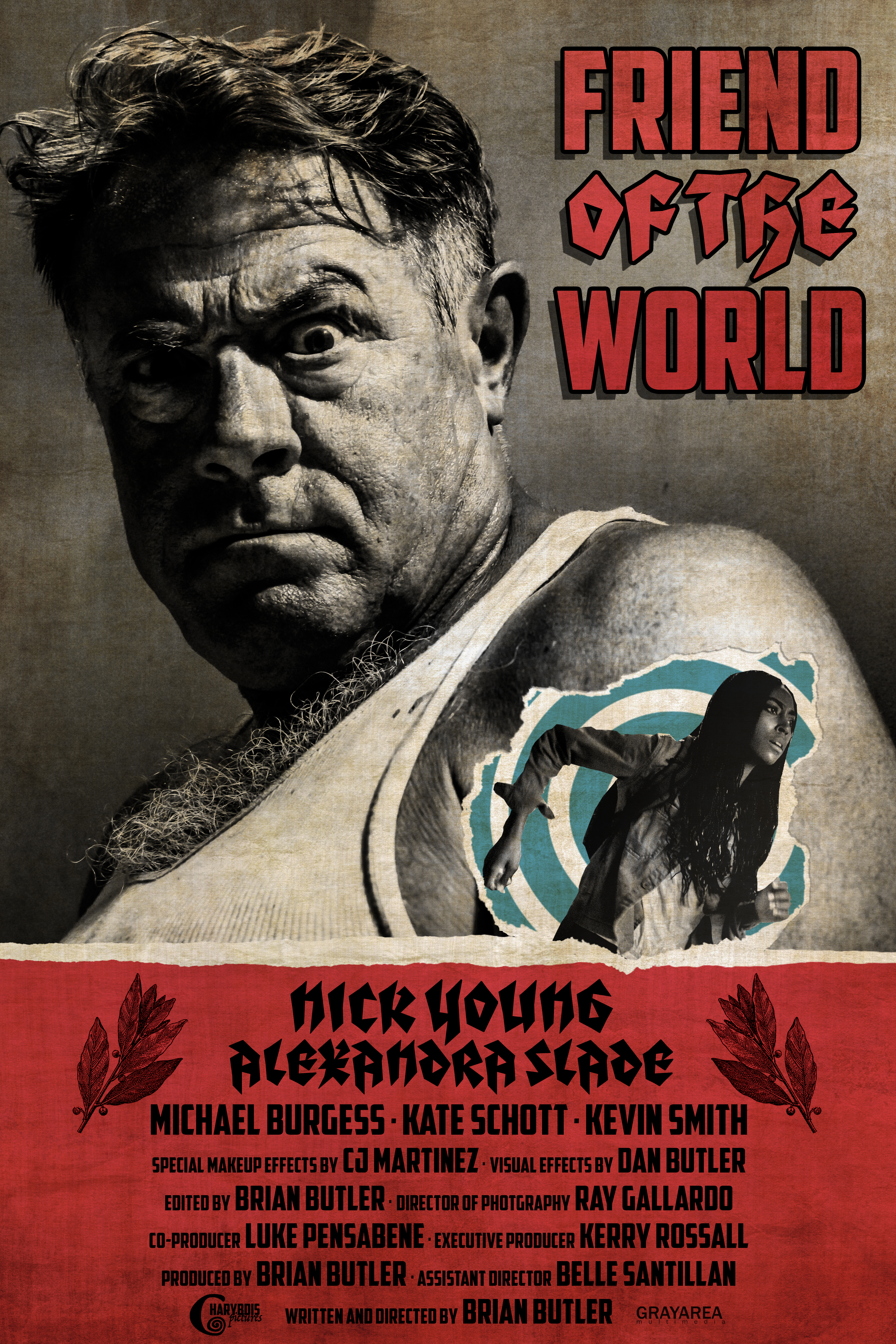 Friend of the World exists in a very strange space. Originally penned in 2016, writer/director Brian Patrick Butler conceived of the story as a reflection of the political anxieties of the time. Now that it’s finally ready for release in 2020, this post-apocalyptic film about racial/cultural disparity, isolation, and paranoia feels almost painfully prescient. Some films are able to be an effective reflection of their time but the degree to which this one was able to accurately predict what 2020 would feel like is just plain unnerving.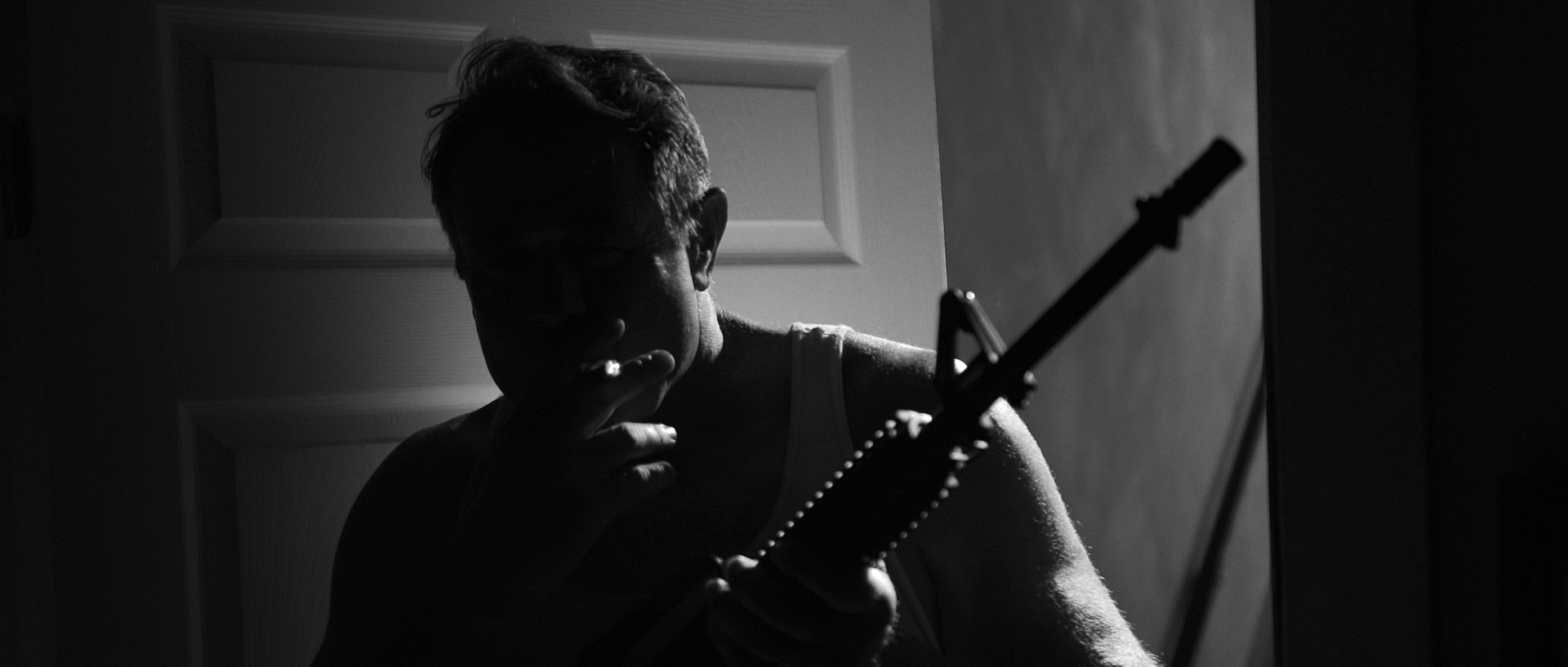
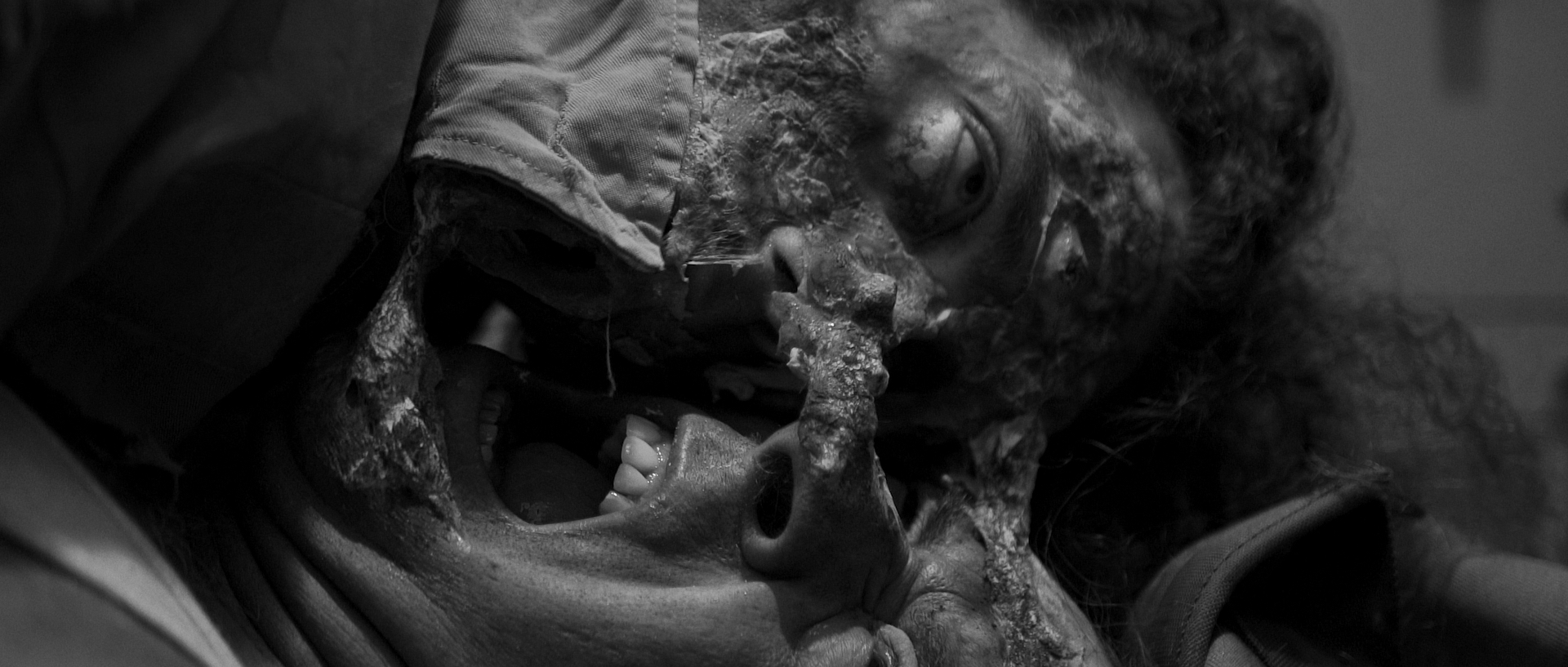

 Ever since The Blair Witch Project exploded onto the horror scene in 1999 and crushed the box office to the tune of a quarter billion dollars, countless filmmakers have tried their hand at tapping into that low cost Cinéma vérité style magic. Now that it’s 21 years later any filmmaker looking to utilize that format needs to bring something more to the table than abandoned footage found in the woods. Fortunately, M.O.M (Mother of Monsters) does bring an innovative twist to the standard formula as all the footage comes directly from cameras that characters use within the world of the film.
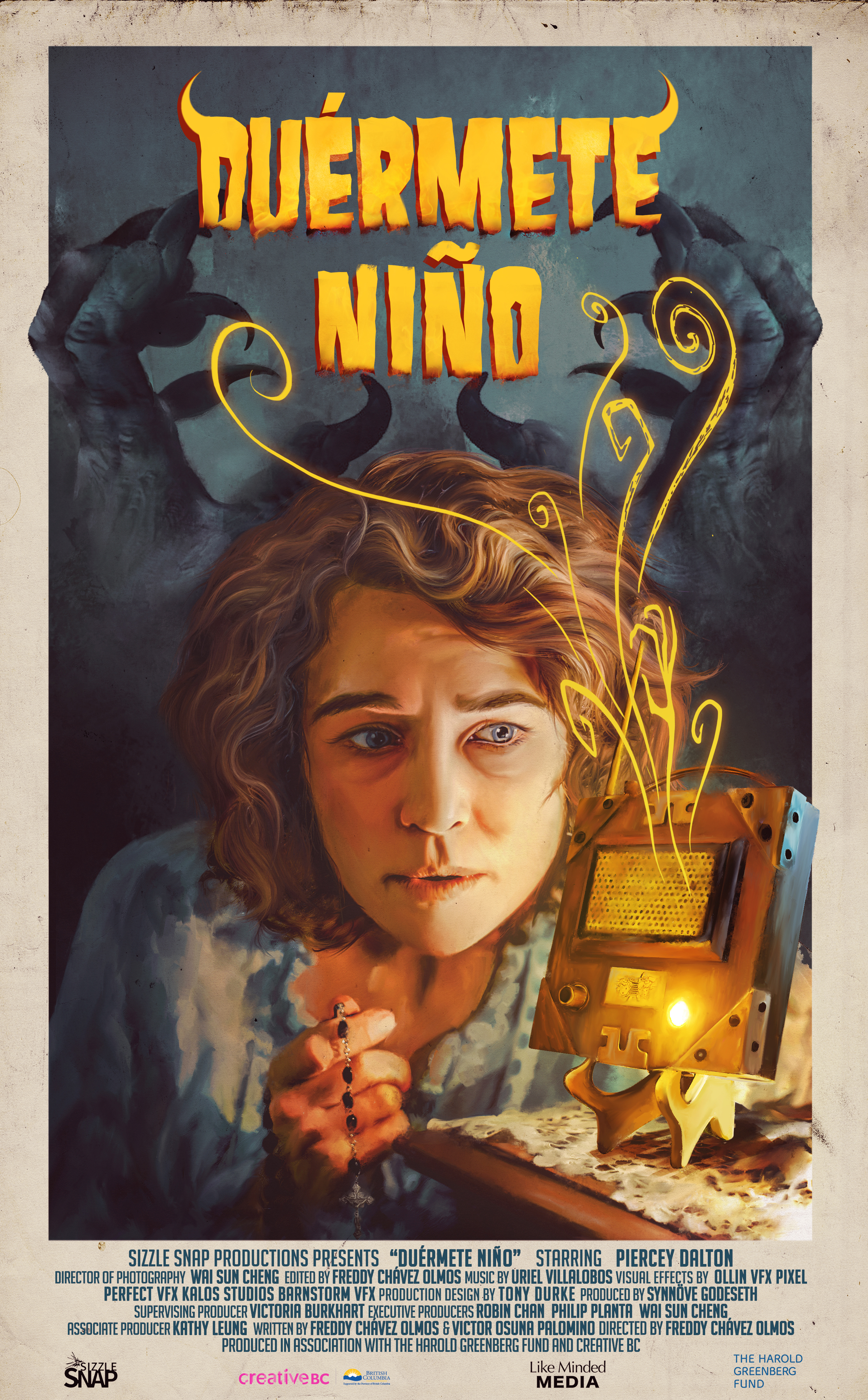 Clocking in at under ten minutes total (only about seven of which is the actual film) Duérmete Niño (Rock-a-bye Baby) is an interesting little slice of horror. Inspired by a real, sleep deprived nightmare that director Freddy Chávez experienced after the birth of his daughter, this short captures the horror and anxiety of being a new parent in a very creative and unusual way.
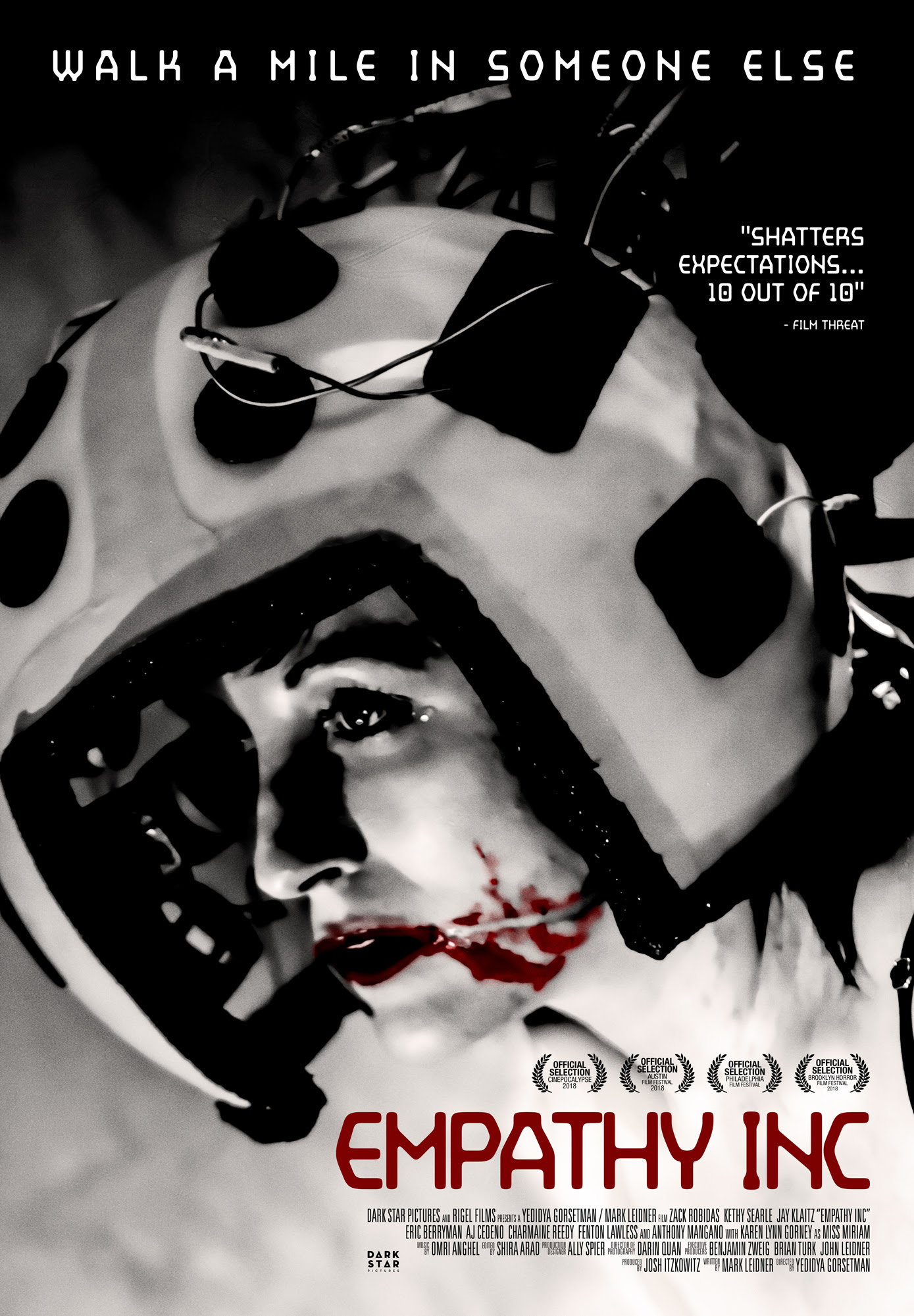 As new forms of media consumption are released so too are new cultural anxieties born, along with the films that reflect them. Whether it’s VHS in Videodrome or cell phones in One Missed Call, films have always been a way of expressing the inherent discomfort that is an inevitable part of adjusting to ever more rapidly changing technology. With VR becoming an increasingly prevalent part of our society, it’s only natural that films like Empathy Inc would come about to explore the darker side of the technology. Of course, the idea itself is nothing new and classic films from Total Recall to The Matrix and many in between have delved into the potential consequences of experiencing a virtual world that is indistinguishable from our own. However, while this was an abstract concept in the ‘90s, ever advancing technology is bringing us closer to this becoming a reality, making the subject far more prescient today.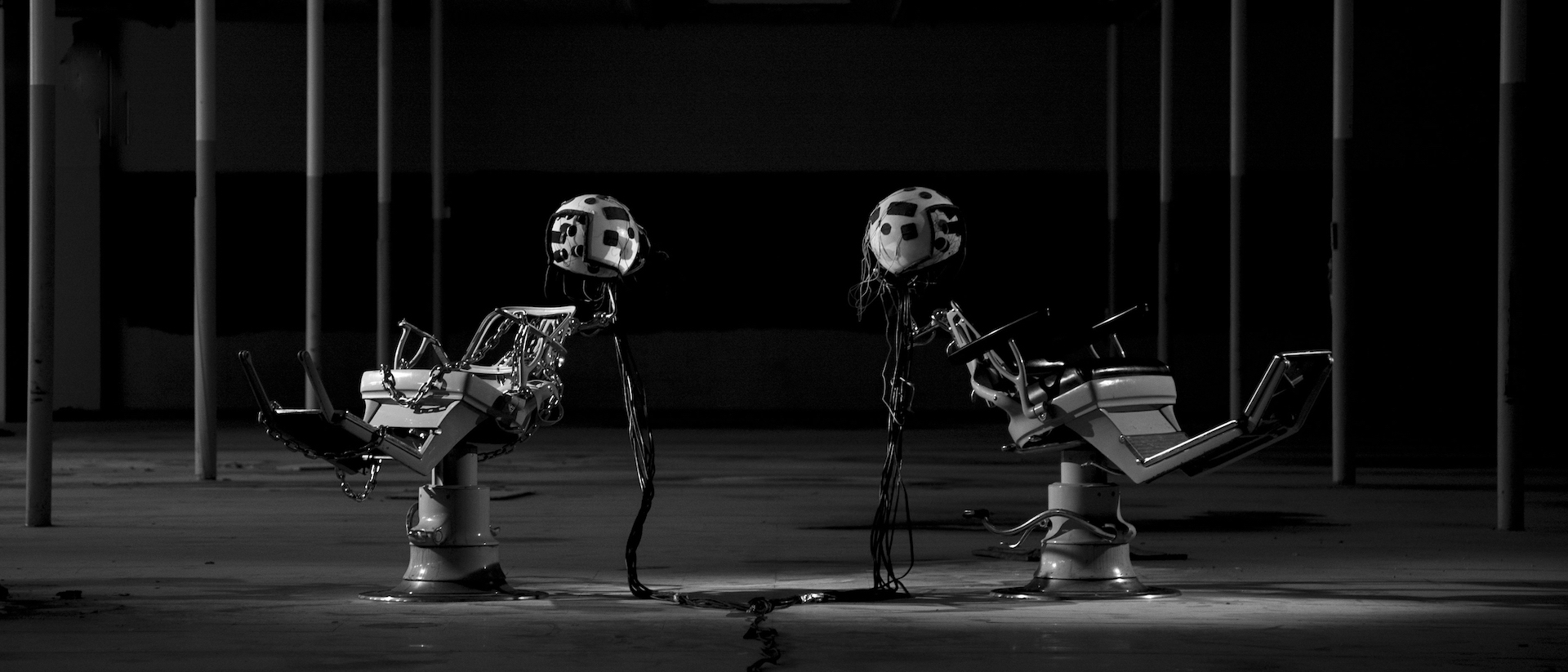

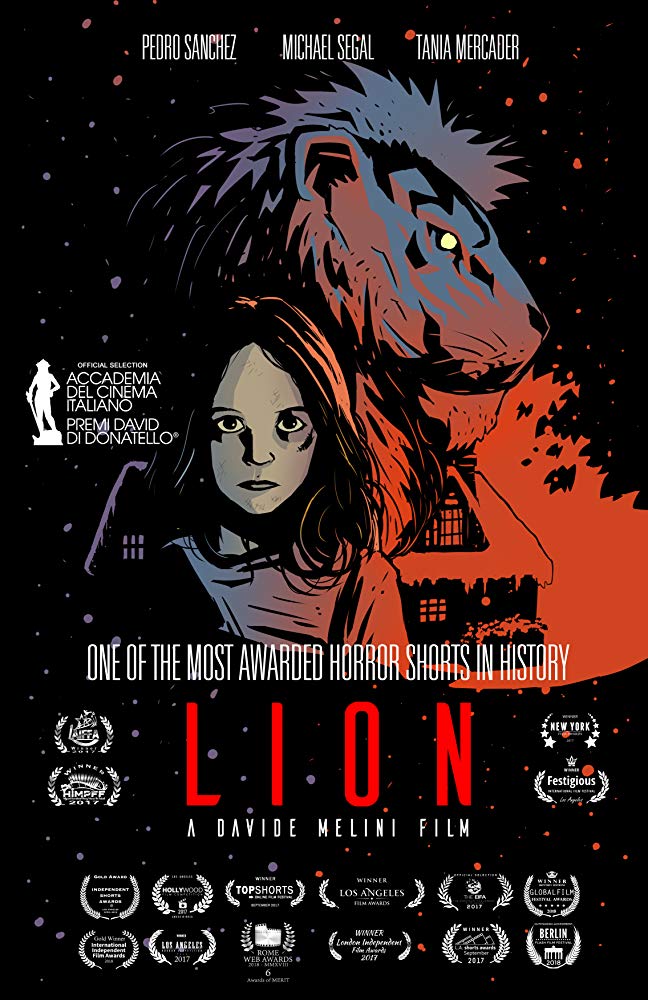 When working within the medium of short film it’s essential to communicate a lot of information in a small amount of time. Making the audience feel for the characters and telling a worthwhile story from beginning to end in just a few minutes is a very challenging task but Davide Melini’s Lion does all that and more within its concise runtime. Located entirely within the confines of an isolated family home somewhere in the snowy wilderness, Lion tells the story of an abused little boy who wishes his favorite animal could come and protect him from his own family.
 Incest! Necrophilia! Rape! Graphic murder! Have I got your attention yet? Because as a fan of Extreme Cinema the Chilean film Trauma certainly got mine. Some movies barely cross the line into Extreme Cinema territory, then there are others that grab the line by the fucking throat as they run past it. Trauma is certainly the latter, with certain scenes even echoing some of the most disturbing content from the legendary shocker A Serbian Film. Yet, at least at this point, this film isn’t talked about with anywhere near the same frequency. Hopefully that will change, because love it or hate it, Trauma is certainly a film that deserves to be watched and discussed.
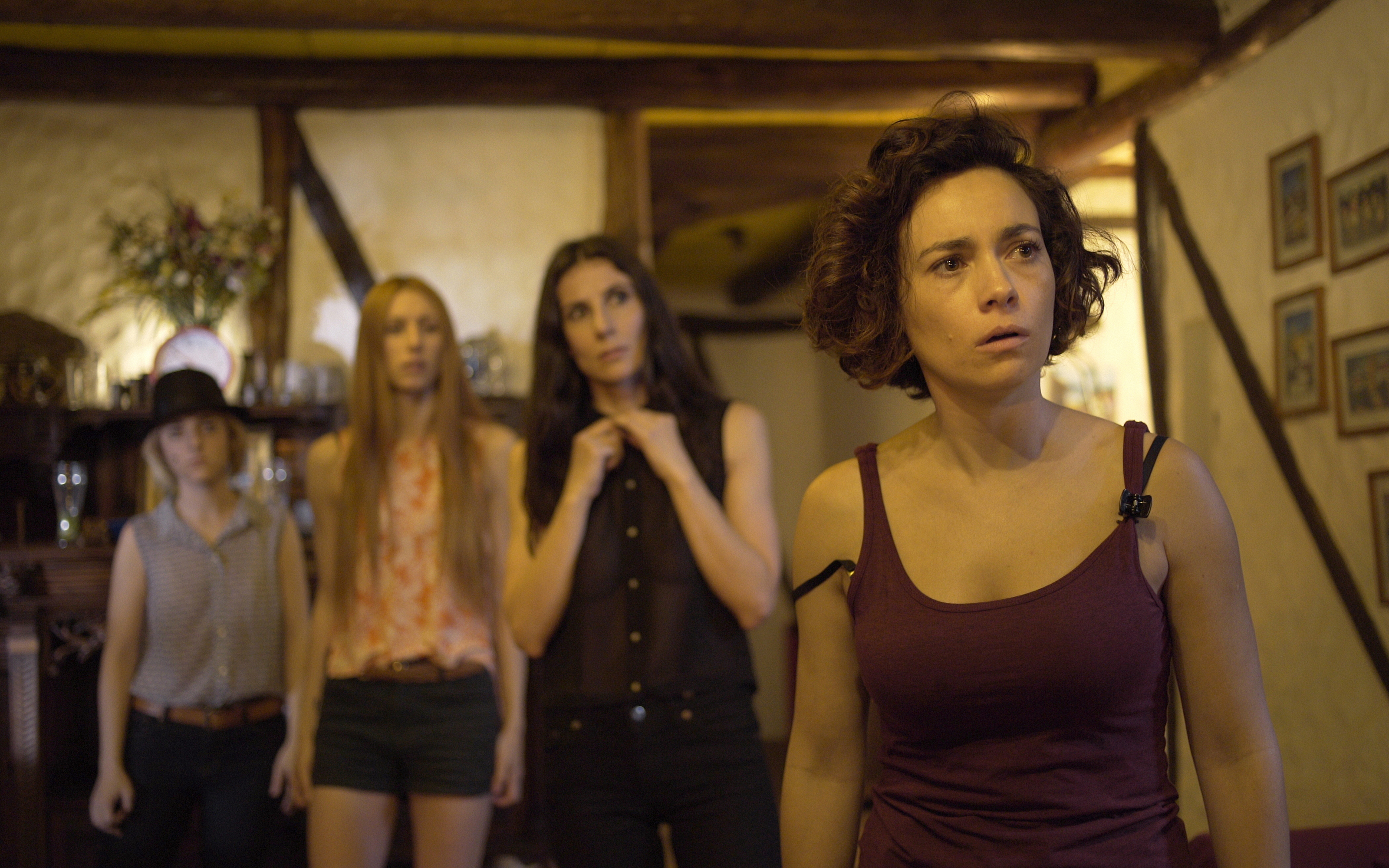 When viewing Trauma, it is important to have an understanding of where it’s inspiration comes from to truly appreciate what the film is trying to say. While the exact details of the story and the specific characters may not have actually occurred, the film is steeped in Chile’s modern history and very representative of a significant cultural issue that still impacts life today. In the real world, Chile’s democratically elected government was overthrown in 1973 in a brutal coup that resulted in Augusto Pinochet seizing power as the country’s iron-fisted dictator. During this period the country experienced an unfathomable amount of death and real world horror that left it irrevocably changed. This is important to know because at its core, this film is really about the country’s brutal and traumatic past still rearing it’s head in the modern world, and not simply another violent home invasion thriller.
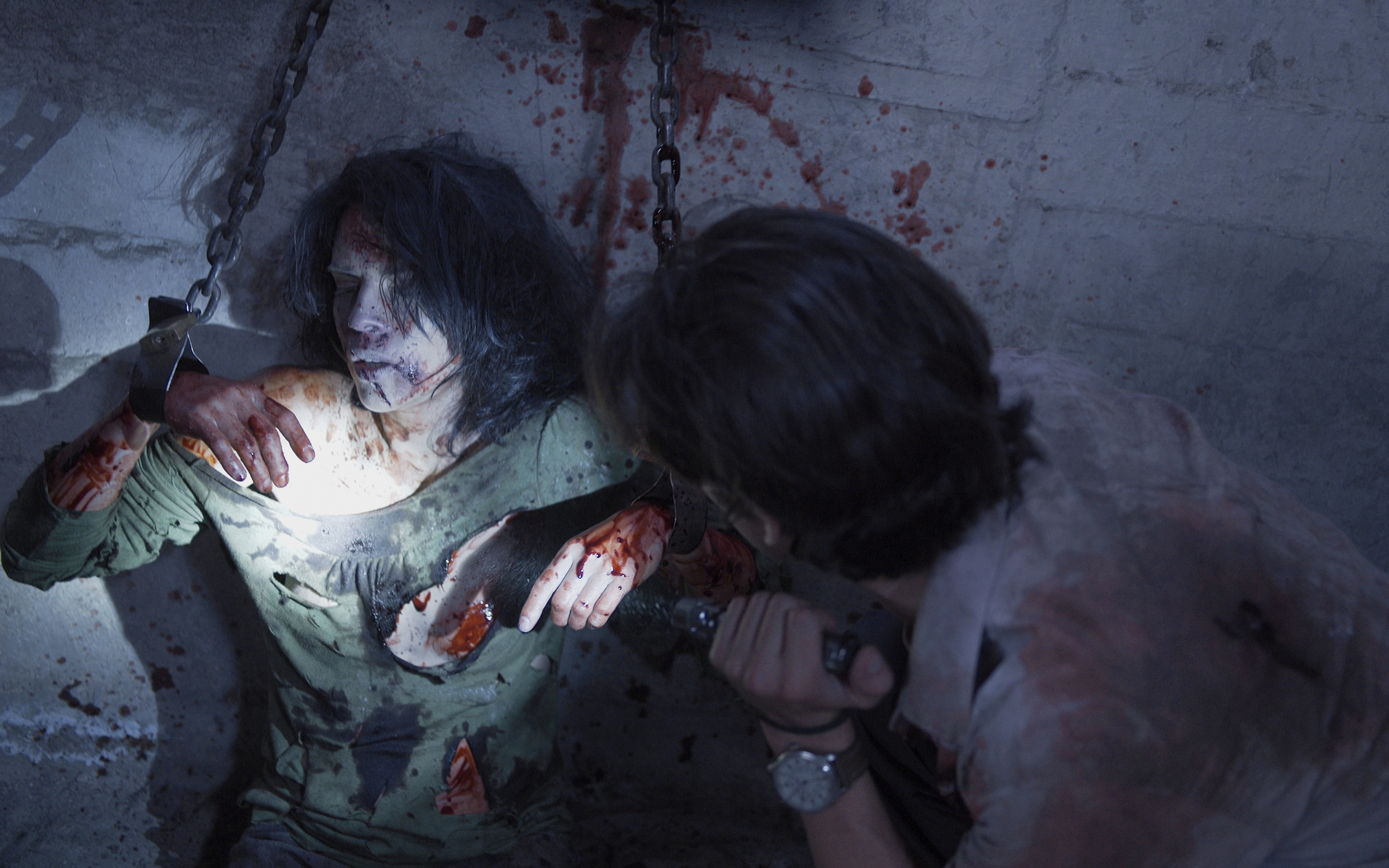 Another similarity between these films is the fact that they are all very well made, which is also what allows them to be so effectively disturbing. Writer/director Lucio A. Rojas has done an incredible job creating a living, breathing world thanks to gorgeous cinematography, top-notch gore effects, and realistic, believable characters. Speaking of characters, while I do want to make special note of the villainous perfection that Daniel Antivilo brings to his psychopathic character Juan, everyone across the board does an absolutely incredible job.
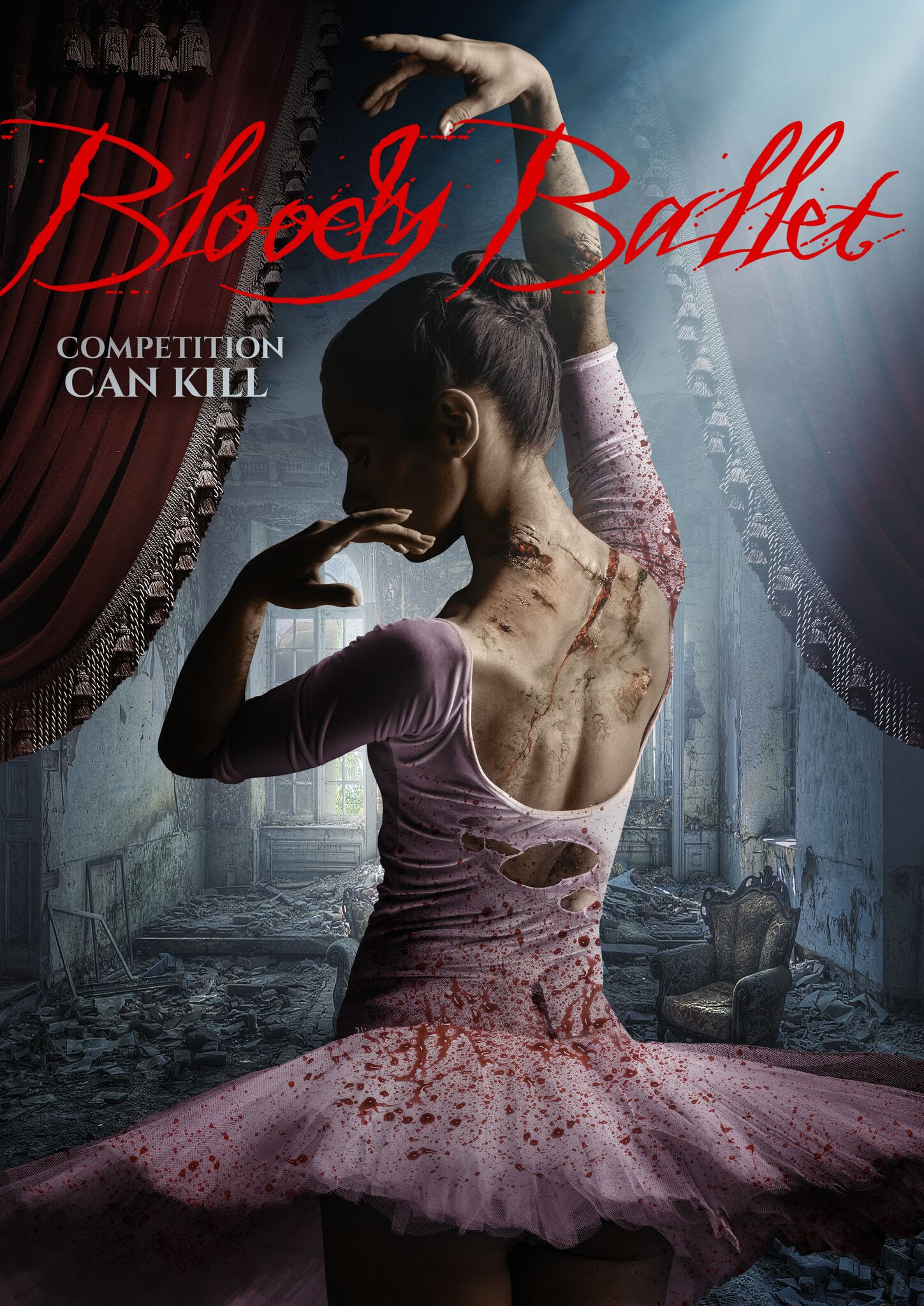 Bloody Ballet (aka Fantasma) certainly starts off promisingly enough. Snow falls heavily in the night sky as approaching police cars begin to illuminate the solitary figure of a young girl standing still, unmoved by the cold and completely unresponsive. The haunting score swells as the slow motion scene unfolds to reveal the bodies of her brutally murdered parents and I am officially hooked. Of course, it’s one thing to get the audience’s attention and quite another to actually hold it.
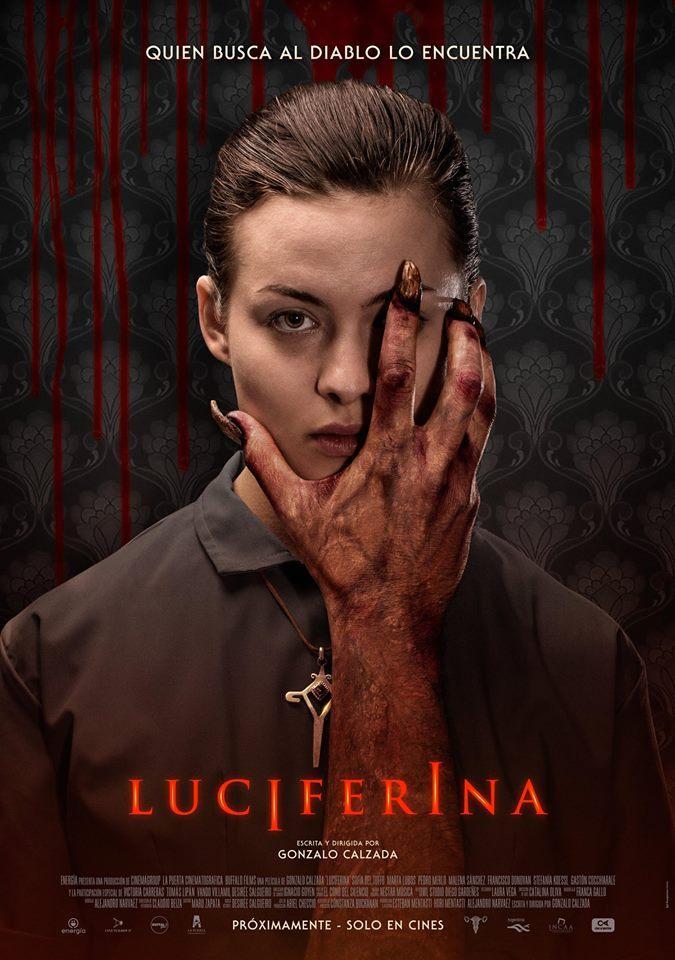 The demonic possession sub-genre of horror is one that ebbs and flows in popular consciousness but never truly disappears. Perhaps this is because the idea of losing control to a powerful unseen force is something that can have the ability to instill a profound sense of dread within us, at least when it’s executed properly. Whether or not it factors in a heavy dose of religious anxiety, as they usually do, the general concept of demonic possession is a well that’s been dipped into many times and with the success of recent films like Hereditary, you can expect that trend to be on an upward swing. This means that for films on this topic to stand out, there needs to be more to their plot than a by-the-numbers rehashing of The Exorcist and today we’ll see if Luciferina has what it takes to stand out from the crowd.
 When you have a total runtime of under five minutes you have to pack a lot of content in to create a memorable experience. Fortunately Not in My Mouth does just that and is able to do a lot with it’s micro story in just a few short minutes. Set against a delightfully discordant and aggressive score by White Gardenia and Geimhreadh, the film is directed by (and stars) Poison Rouge, director of the newest American Guinea Pig film, Sacrifice.

