
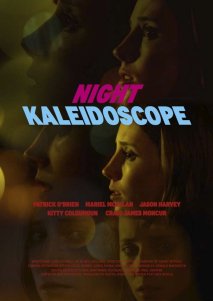
 Some movies are created with an emphasis of style over substance, a deliberate attempt by the filmmaker to craft a compelling and surreal world that does not adhere to a standard narrative format. Suspiria, Lost Highway and Beyond the Black Rainbow are just a few examples of when this artistic gamble really pays off and pulls viewers into a compelling, living nightmare that brings you along for the ride, even if it’s not always clear where that ride is taking you. Conversely, when not done properly a lack of narrative only succeeds in creating frustration and quickly bores the viewer with a series of meaningless images. So, where does a film with a hallucinatory, dream-like style like Night Kaleidoscope fall on the spectrum? Well, let’s discuss.
The plot (such as it is) centers around Fion (Patrick O’Brien) who uses his hereditary psychic abilities (along with the unknown mystical drug he smokes) to help solve crimes. His current case involves a vampire couple that are responsible for a series of murders in the city slums. He is soon joined by Isobel (Mariel McAllan) a mysterious young woman who seems to have a personal stake in wanting to defeat the vampire couple.
First of all, I want to acknowledge the style of this film and the fact that director Grant McPhee effectively uses a variety of techniques to create an authentically surreal, dream-like experience. Quick edits, single-color saturation scenes, deliberate out-of-focus shots and a purposely shaky handheld camera all work together to deliver a fluid sense of movement that is disorienting and nightmarish in the best possible way. The pulsating and ominous 80’s style synth score that’s underlaid throughout adds to the hallucinatory effect of the film and perfectly compliments the striking visual style.
However, one key aspect that separates this film from other surreal classics like those I previously mentioned is the fact that it doesn’t commit fully to the surreal tone it establishes. Swirling, disorienting montages are broken up by scenes with more standard structure and pacing. That’s not necessarily a bad strategy in general as you don’t want to burn out your viewer with images that risk becoming repetitive and meaningless, plus it can be a good time to communicate key plot information. But, in the case of Night Kaleidoscope, this is where it comes up short because unlike films where the whole plot is up to interpretation, this one has a pretty straightforward narrative, it’s just got some holes in it.
For instance, the fact that there is clearly meant to be a greater significance to the character of Isobel but it is never properly established in the plot. This leaves unanswered questions about her connection to the vampires that feel more like an oversight than a deliberate omission. Similarly, plot threads involving Fion’s employer who suddenly wants him off the case and his “psychic drug” supplier’s motivations are not properly fleshed out. This adds to an overall feeling of characters and plot points being introduced without the filmmakers having a clear understanding of how these elements work in the context of the story as a whole.
In general, the world the film creates is certainly strange. It’s a world where there don’t appear to be any mythic creatures other than the vampire couple but their existence is instantly and unquestioningly accepted. It’s a world where psychic detectives are commissioned by mysterious clients when a murder needs to be solved and actual police never appear regardless of the amount of bodies that pile up. In most cases, people in this world also seem very complacent when faced with the threat of death from the vampires but that fact does also lead to an interesting interpretation of this film as an allegory for drug use. Although, it remains unclear if that was the filmmakers’ intention as other aspects of the plot don’t necessarily support it.
Narrative issues aside, I really can’t overstate just how accomplished this film looks visually and the fact that it was made for the astoundingly low price tag of under $5,000 makes it all the more impressive. It also shows a tremendous amount of raw talent for visual flair on the part of McPhee who is a director that one would do well to keep an eye on. In the end this makes for an experience well worth having if you can let nagging concerns about plot melt away and embrace the mesmerizing surreal imagery. Indeed, this is the kind of film that is best when consumed late at night and slightly under the influence.

 Psychological horror is often the best route to take for micro-budget films as it places more emphasis on creating an atmosphere of dread rather than elaborate set pieces. That being said, it can still be difficult to execute properly because without the gory spectacle to entertain viewers there is a greater importance placed upon the performances and the quality of the script to keep the audience engaged. The smaller the cast and fewer the locations the more important the acting and story become. So, does Flytrap, a film with one primary location and a very small cast have what it takes to provide an hour and a half of quality entertainment? Well, let’s discuss.
 Anthology films can be a great way to showcase the talents of under-represented filmmakers and provide an avenue for short films to actually be commercially distributed. Typically, they will feature a common theme or wraparound story and in this case, Mexico Barbaro uses Mexican folklore as a unifying factor for the segments. As with any anthology some entries will outshine others, but what’s most important is the overall quality of the collection itself.
 Romeo’s Distress is a film that isn’t easy to classify as it does not fit neatly into a single genre. It’s not horror but more of a drama that’s heavily laden with dread and intrigue but also does get into more horrifying territory as it approaches the climax. As with any micro-budget film it’s success is going to be dependent on the level of innovation and creativity it brings to the table rather than high production values. So, is this film that was made for the shockingly low price tag of approximately $2,500 and shot well outside the studio system in New York state create an experience worthy of devoting eighty minutes of your time to? Well, let’s discuss.

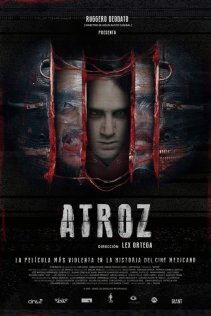 Atroz, the Spanish word for atrocious and certainly an indication to the viewer that this experience is going to be anything but lighthearted. True to its title, the debut feature from Mexican director Lex Ortega is a harrowing journey indeed. Its style channels August Underground and its violent depravity reaches Human Centipede 2 levels of intensity. Much like A Serbian Film though, this movie plays out as more of a gruesome drama than a horror film but is so horrifying that it more comfortably fits into the Horror category than anywhere else. So, clearly its qualifications as an extreme film are indisputable but still, the most important question remains: “is it any good?”
 “Are you ready for this? I’ve got a concept that’s going to blow your fucking minds! A bunch of attractive college kids go camping in the woods and then….get this….are killed by a deranged murderer! What’s that? It’s been done!? Impossible! What……how many times? Too many to count!? Well…..fuck it, let’s roll anyway!”
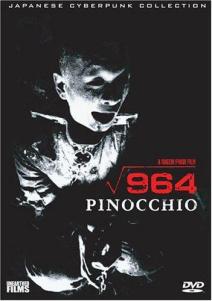 Watch out, people, there’s a lobotomized sex-cyborg on the loose! Yes, the insane premise of 964 Pinocchio (a.k.a Screams of Blasphemy) does certainly hold a lot of potential for a Tetsuo-style journey into another gloriously bizarre living nightmare. But the real question becomes “can it actually deliver on the same level as that mind-fuck masterpiece?” Well, let’s discuss.
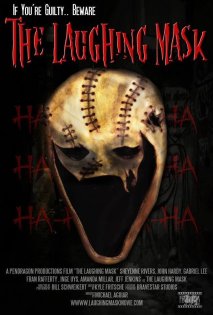 Let me start by saying that The Laughing Mask is actually not a horror movie in the traditional sense, more of a dark thriller with horror elements. That being said, it is certainly an alternative, indie film that remains relatively obscure, like so many other micro-budget titles. So, the question is “Is this film a hidden gem that deserves to be uncovered or just another run-of-the-mill low budget flick drowning in a sea of it’s peers?” Well, let’s discuss.
 Horror and Alternative Cinema Reviews