
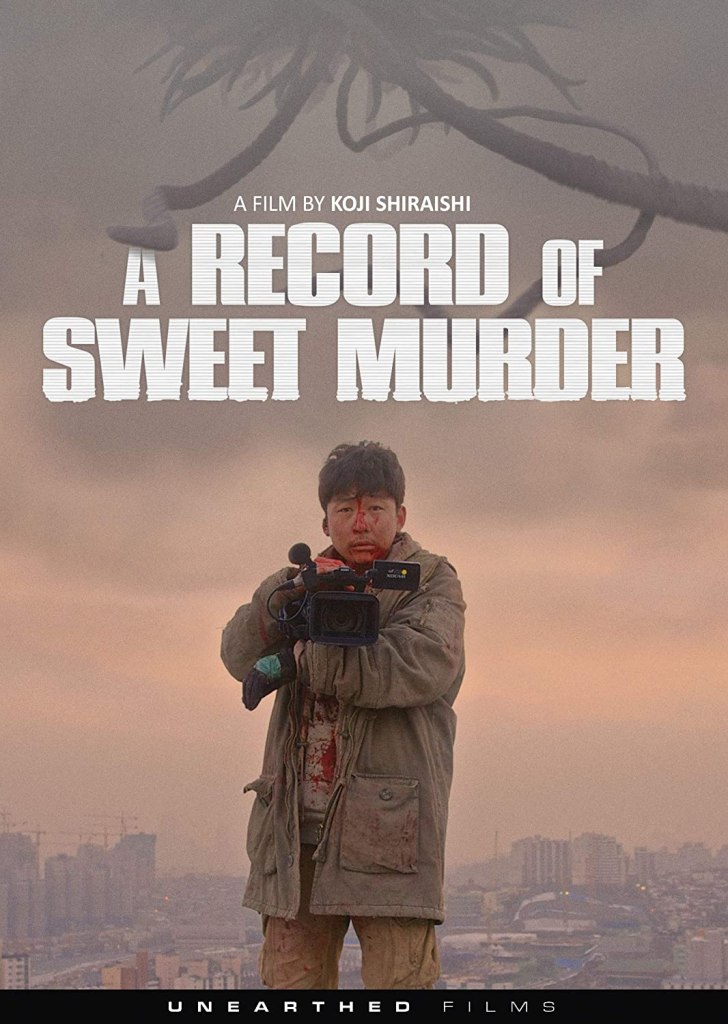
When The Blair Witch Project exploded onto the scene in 1999 it forever changed the world of horror cinema. In its wake, the once novel concept of a “found footage” film established by Cannibal Holocaust in 1980 quickly became ubiquitous within the market to the point of oversaturation. In the intervening years many filmmakers have used the audience’s willingness to embrace the rougher, naturalistic aesthetic of the style as an excuse for low production value as they churn out countless versions of the same basic story.
Thankfully, innovative filmmakers have also made their mark on the subgenre and films like Rec, Creep, and more recently Host (to name just a few) have elevated the style by taking it in new and creative directions. Innovation within the subgenre is rare enough but A Record of Sweet Murder is wholly unique as it dares to combine the found footage aesthetic with the rarest of cinema tropes, the single take film. By all conventional wisdom, an idea this ambitious could never work, but writer/director Kôji Shiraishi (Grotesque) pulls it off with results that are nothing short of mind-blowing!
The story centers around investigative reporter Kim Soyeon (Kim Kkobbi) who receives a call from Park Sangjoon (Je-wook Yeon), an escaped fugitive wanted for numerous murders. Park offers her an exclusive interview if she will meet him in a secluded location and bring along a Japanese cameraman. Since Kim and Park share a childhood connection, she believes that they will not be in any danger, but once they arrive it becomes clear that Park has a much larger plan in which they are to play an integral role.
To be clear, this film isn’t a true one-shot film like Russian Ark, but since everything but a few quick scenes at the end was done in a single take it’s still an incredible feat of filmmaking. It isn’t just the fact of doing it in a single take that is impressive, it’s what they are able to accomplish within the massive shot that is truly mind-blowing. Brutal fight scenes, multiple locations, numerous characters, realistic special effects, and an engaging storyline all work in concert to produce a thoroughly unique, mesmerizing experience. Even without the novelty of the single take this would be an incredible, well acted, and engaging film but the fact that Shiraishi goes the extra mile with a ground-breaking concept really puts it over the top.
It’s truly a cinematic travesty that such an innovative, brilliant film has gotten such little attention since its release yet Hitchcock’s faux one-shot film Rope is still talked about with such reverence after more than seven decades. I know that the cameras of the time limited the production to shooting it in a series of ten minute takes but Hitchcock’s blatant cutaways do absolutely nothing to preserve the illusion of an unbroken shot in that overrated “classic”. Despite this (and the fact that it felt more like watching a one-act play than a one-shot film) Rope was still innovative for its time and innovation should always be appreciated. To that end I’m hard pressed to think of many films in recent memory that have innovated more than ARoSM and here’s hoping that someday its style-blending brilliance will be appreciated for the unique achievement that it is.





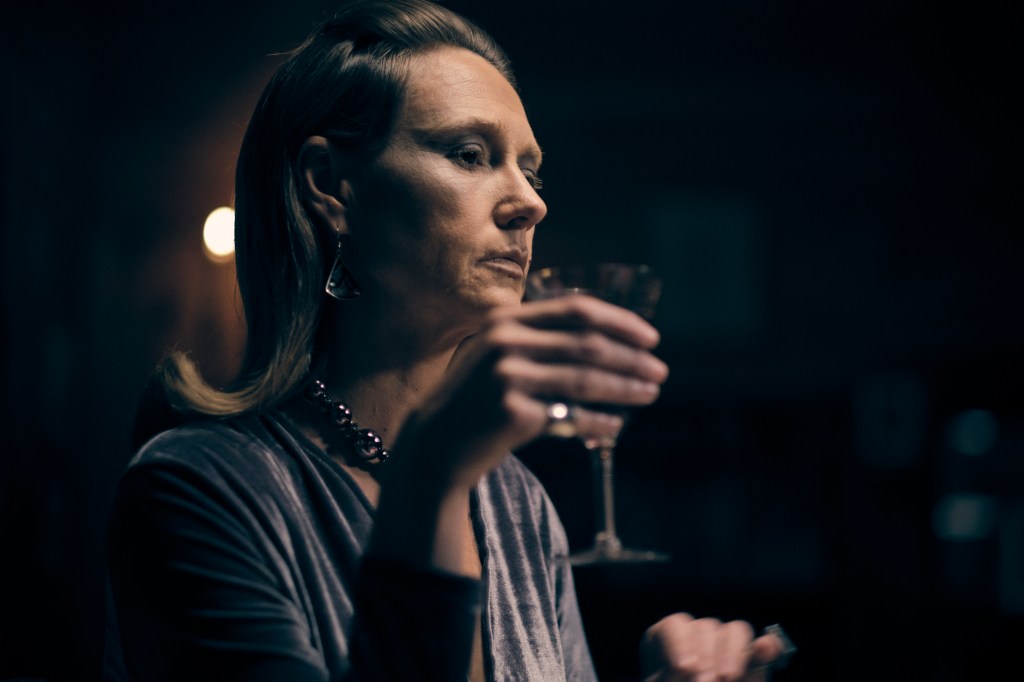


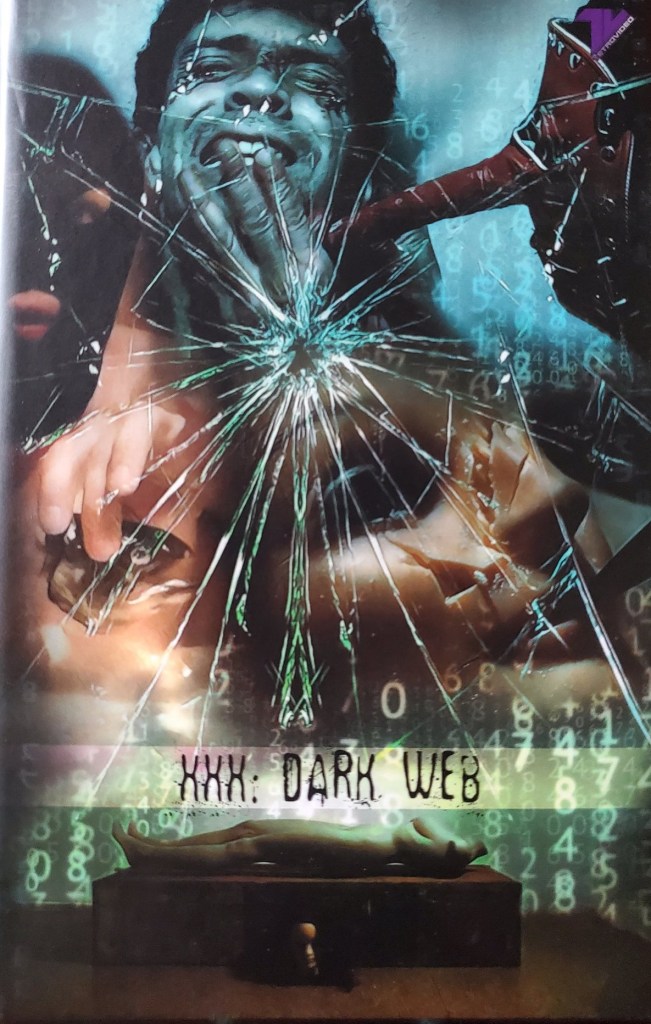

 I love horror anthology films and while we may not be getting as many these days as we did during the resurgence of their popularity in the early to mid 2010s, it’s good to see that they are still popping up occasionally. Typically these films will feature the collaboration of multiple directors and are a great way to showcase various talents within a single project. The structure allows the audience to be a little more forgiving of the overall film as stronger entries can sometimes redeem the goodwill lost by weaker ones. Ultimately though, the finished film is still a sum of its parts and today we’ll see if A Night of Horror: Nightmare Radio serves as a suitable distraction during these troubled times.
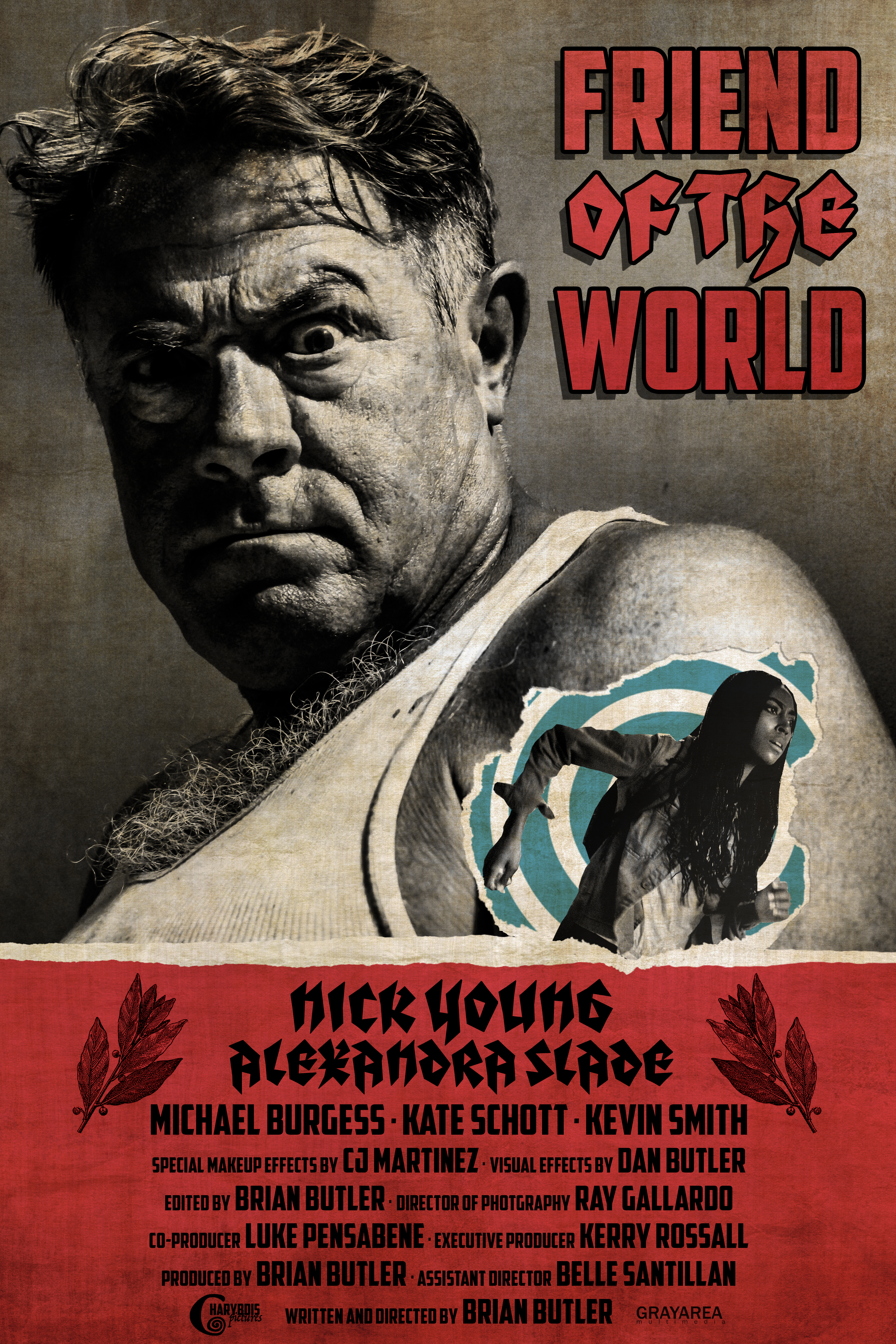 Friend of the World exists in a very strange space. Originally penned in 2016, writer/director Brian Patrick Butler conceived of the story as a reflection of the political anxieties of the time. Now that it’s finally ready for release in 2020, this post-apocalyptic film about racial/cultural disparity, isolation, and paranoia feels almost painfully prescient. Some films are able to be an effective reflection of their time but the degree to which this one was able to accurately predict what 2020 would feel like is just plain unnerving.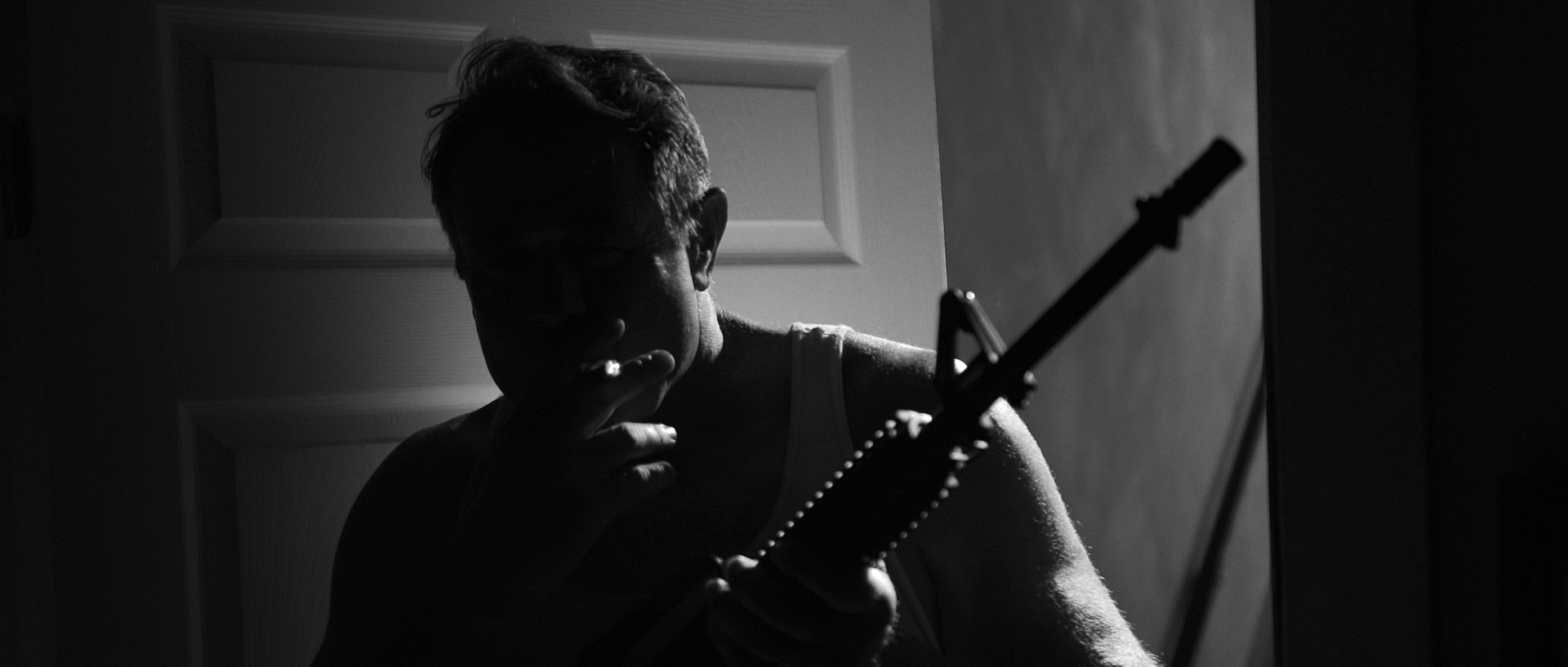
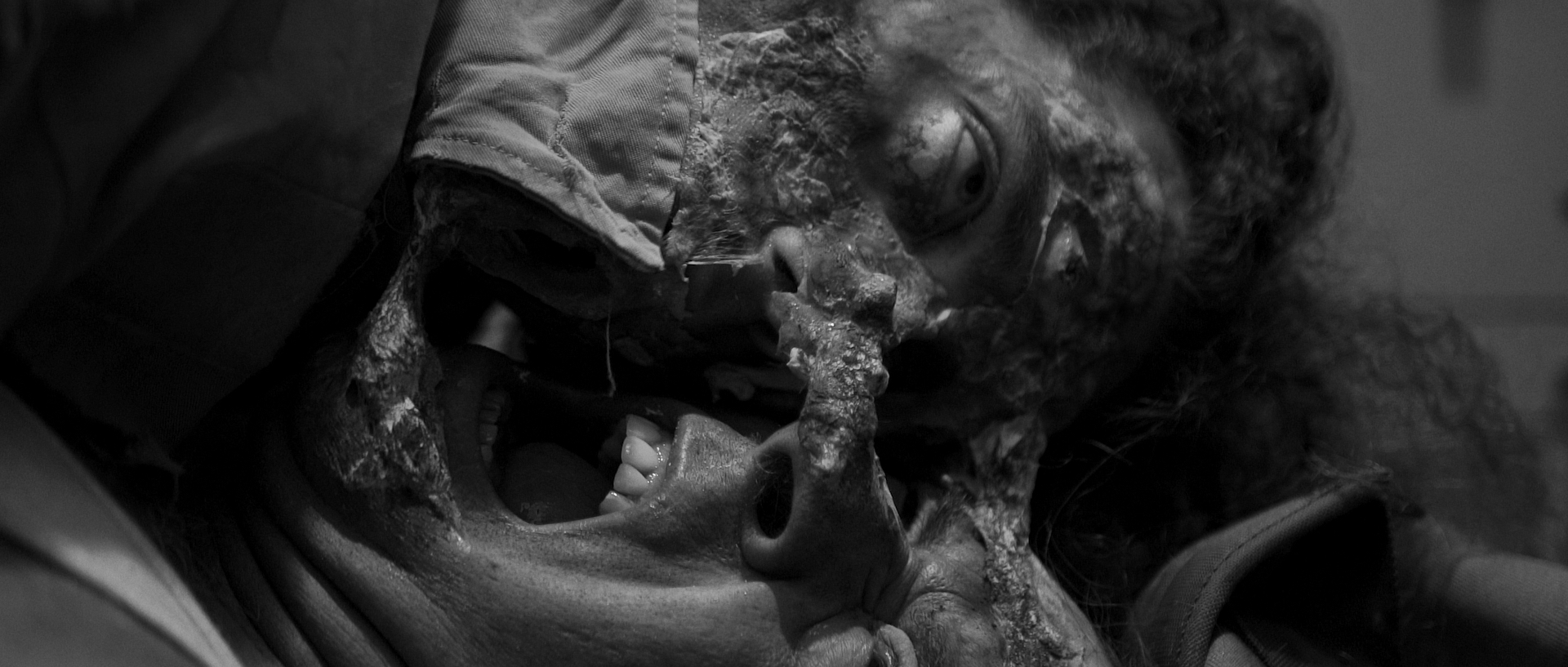

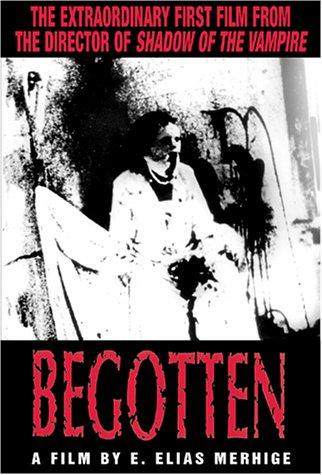 I’m no stranger to abstract filmmaking. From Jodorowsky to Lynch and many others I have certainly seen my fair share of films that eschew standard narrative conventions. Often times these films are so laden with symbolism and metaphor that the story itself can be incomprehensible upon initial viewing. The best of these have meaning behind each image and in-depth examination can peel back the layers to uncover the profound truths that the artist has hidden within. The worst of these are simply a nonsensical series of images that are nothing more than weird for the sake of weird, occasionally containing meaning that has been so obscured by the filmmaker that it is utterly indecipherable. Begotten is definitely abstract, so the question now is where along this spectrum it falls.

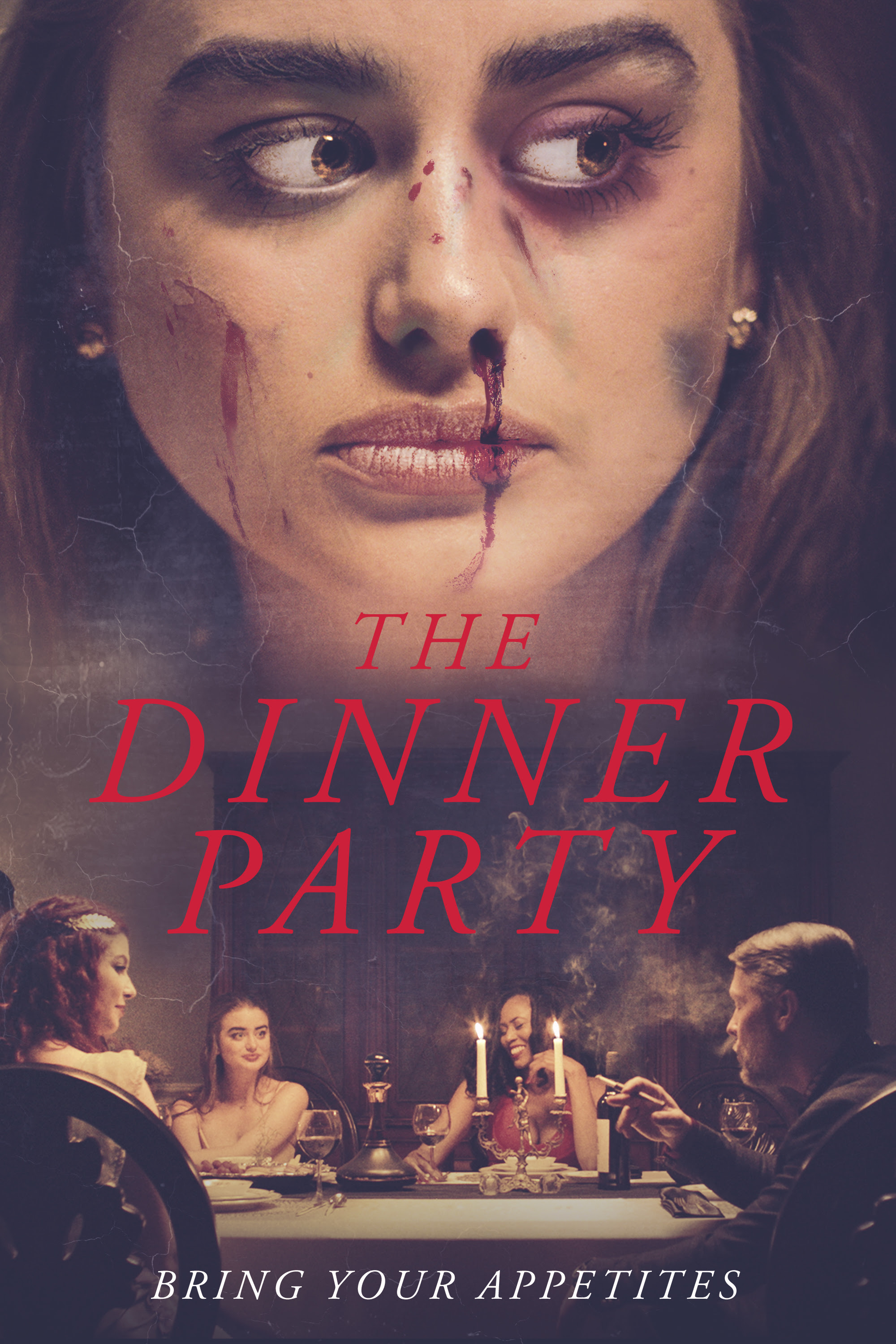 Sometimes just the fact that a film is in the horror genre tips you off that the plot is going to go in a certain direction. I mean, if a movie called The Dinner Party had everything go completely well for the characters the entire time you’d probably end up with a drama (and a damn boring one at that). So, while there is a certain amount of predictability and expectation within the basic structure itself, the real test of artistry is found in how well the filmmakers can finesse the details and create something original. Sometimes this means artists will take big swings with unusual concepts and plot twists, the end result of which is invariably a brilliant hit….or a spectacular miss.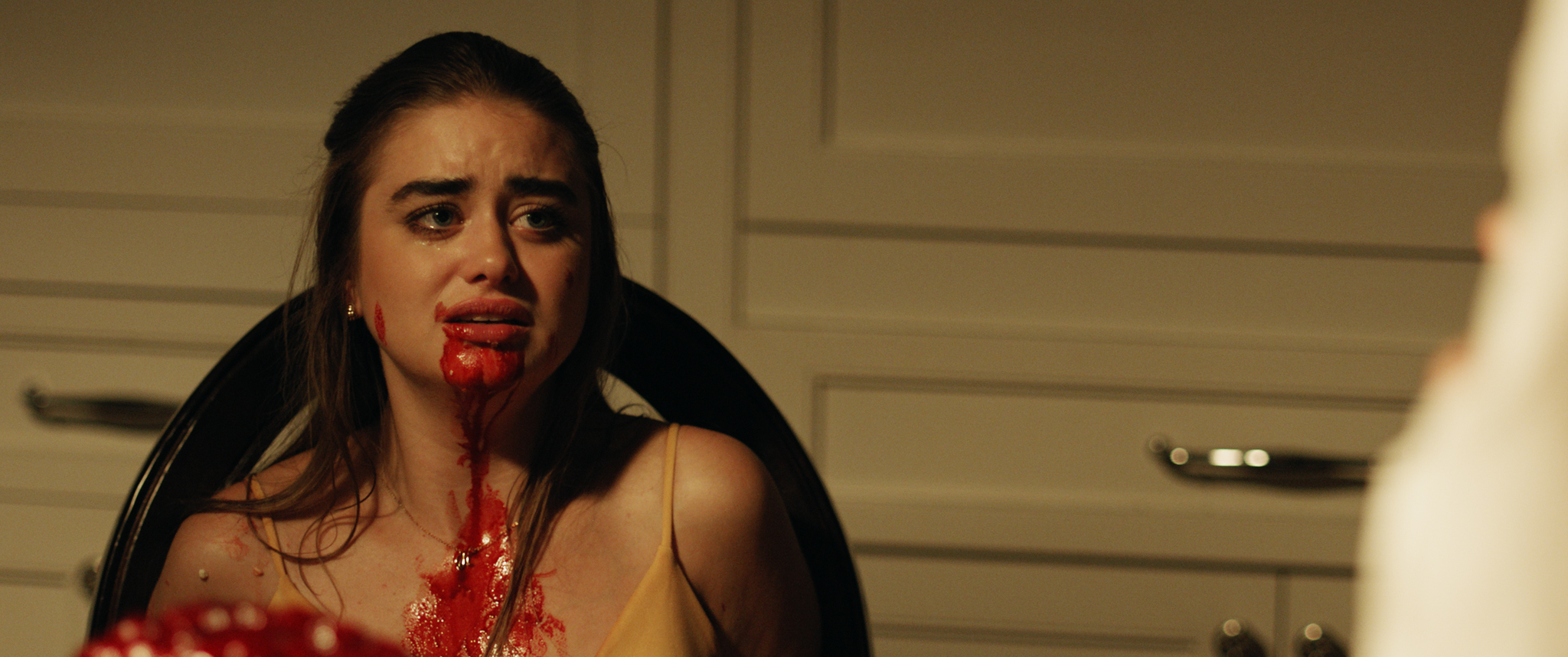
 Horror and Alternative Cinema Reviews