
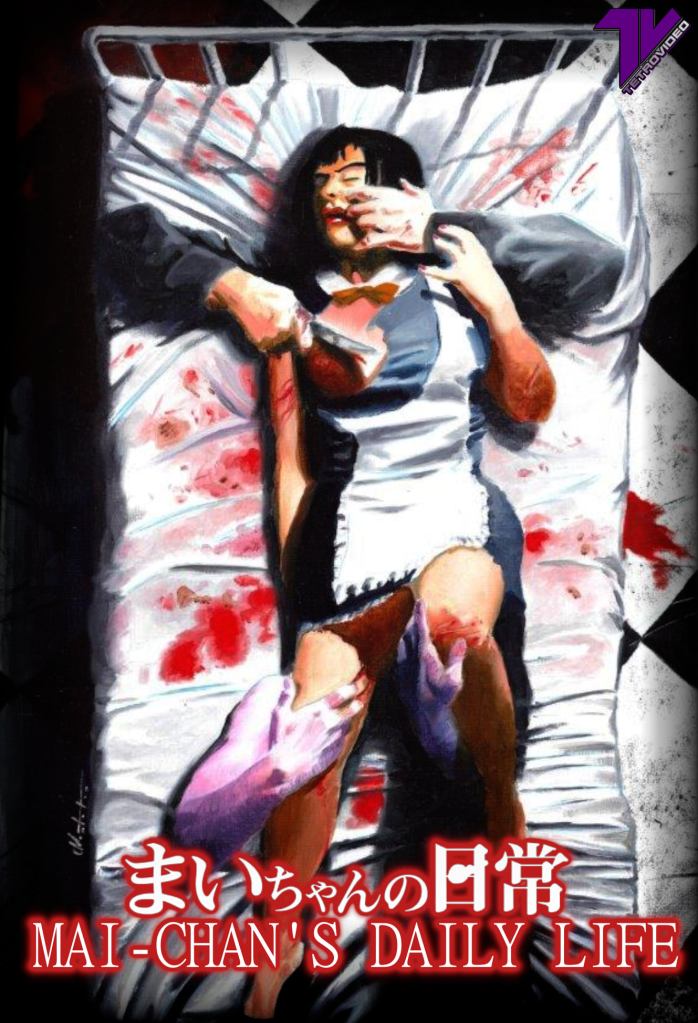
Mai-chan’s Daily Life brings to mind questions I never thought I’d ask such as “what if instead of being a badass superhero Wolverine was a tortured sex slave?” That’s essentially the central plot of this film, where a maid with infinitely regenerative powers (who can still feel pain) is used by her sadistic “master” to fulfill his violent, brutal fantasies. Loosely based upon the 2003 Manga Mai-chan no nichijô by Waita Uziga the film was adapted and directed by Sade Satô in 2014. While the story may deviate quite a bit from the source material, it maintains the same spirit of gleeful brutality thanks in large part to direct supervision of the process by Uziga himself.
The storyline in this adaptation centers around a new character created for the film named Miyako (Miyako Akane) who starts work as a maid at the remote house where Mai-chan (An Koshi) already works. Once Miyako dons her short, fetishistic maid outfit, Mai-chan starts showing her the ropes. This includes how to dust the jars filled with dead puppies, as well as how to be appropriately subservient to their wheelchair-bound employer known only as “Master” (Shôgo Maruyamawho) and the cruel head maid Kaede (Soako Roman). After witnessing the brutal punishment Mai-chan receives for daring to spill the milk that she was forced to lap up from a bowl on the floor, Miyako becomes aware of Mai-chan’s special ability. Rather than horrifying her, this seems to awaken something in Miyako who becomes obsessed with the idea of “devouring” Mai-chan.
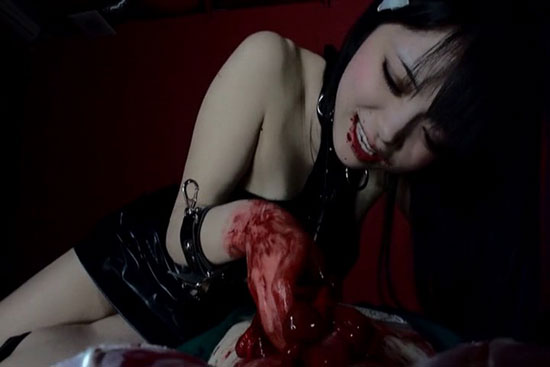
Despite its incredibly brutal violence, the film actually feels toned-down from the Manga as it contains none of the graphic sex or (thankfully) pedophilia of the source material. I can’t say that there is really a lot beneath the surface here, as both the film and the Manga seem primarily created to indulge the Torture Porn fantasies of the audience and the lingering shots of bent-over maids and sadistic violence certainly work to support that idea. Don’t get me wrong though, there’s absolutely nothing wrong with that and it’s great when a film knows what it is and owns it. Despite all the violence, the film has a lightness to it and doesn’t take itself too seriously. There’s something about Mai-chan that just makes it so damn engaging (dare I say fun) and the experience is reminiscent of the similarly graphic yet lighthearted Guinea Pig 3: He Never Dies.

It helps that the acting and special effects are both excellent which serves to keep you immersed in this strange, twisted story. The film does (for some reason) alternate between black & white and color at seemingly random intervals which may have been an homage to the B&W source material, but I found to be a needless distraction. Even though it originally came out in 2014 the film is getting a proper re-release courtesy of Tetro Video in July of 2021, which is great news for fans who can no longer get a hold of the OOP edition that Redemption Films put out in 2016. Connoisseurs of twisted, splatter cinema would do well to check this one out because at just over an hour, it goes down real easy and has a great rewatchability factor. It may not be the most complex thing on the menu but it’s a satisfying treat that Extreme Cinema fans will want to devour over and over again.




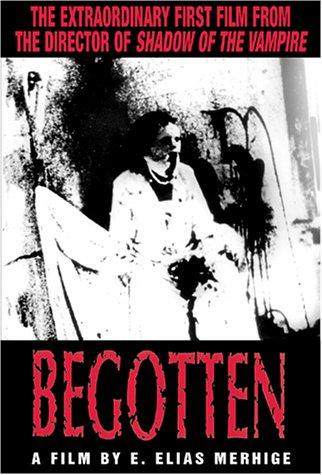 I’m no stranger to abstract filmmaking. From Jodorowsky to Lynch and many others I have certainly seen my fair share of films that eschew standard narrative conventions. Often times these films are so laden with symbolism and metaphor that the story itself can be incomprehensible upon initial viewing. The best of these have meaning behind each image and in-depth examination can peel back the layers to uncover the profound truths that the artist has hidden within. The worst of these are simply a nonsensical series of images that are nothing more than weird for the sake of weird, occasionally containing meaning that has been so obscured by the filmmaker that it is utterly indecipherable. Begotten is definitely abstract, so the question now is where along this spectrum it falls.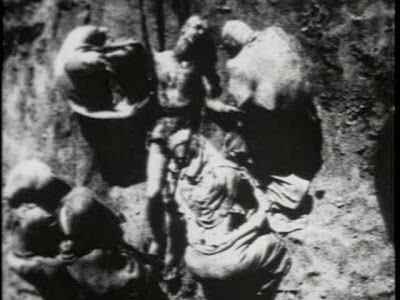

 As anyone who follows me on Twitter knows, it’s my mission to track down and review the most fucked up films ever made. Because of this, my idea of what truly constitutes Extreme Cinema may be a bit …..different than many people’s so I’m always at least a little skeptical when filmmakers contact me out of the blue and claim that their film is shocking and edgy. Still, I went into 29 Needles deliberately knowing nothing about it and keeping an open mind. Within the first few minutes one thing became perfectly clear, this is one film that DEFINITELY belongs in the Extreme Cinema category!
 offended in the process. Rape, mutilation, watersports and bloodplay are all on full display here as well as fetishistic acts that even I had never seen before (I have two words for you, eyeball tube). Writer/director Scott Philip Goergens clearly has a vision and takes a punk rock, no holds barred approach to executing it.
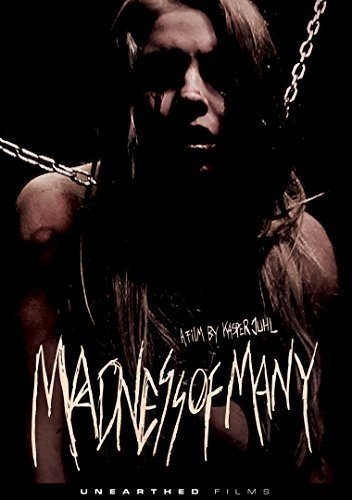 If you like your torture porn with a hefty helping of pseudo-philosophy, then Madness of Many might just be the film for you. At least, that’s what Danish filmmaker Kasper Juhl is hoping you’re into because his 2013 feature packs a surprising amount of both into its scant 73 minute run-time. Is this an effective combination? Should voice over be used in more than 90% of a film? Who the fuck are all these people being tortured and what exactly is going on here? Read on, for the answers to some of these questions in the review below!

 Incest! Necrophilia! Rape! Graphic murder! Have I got your attention yet? Because as a fan of Extreme Cinema the Chilean film Trauma certainly got mine. Some movies barely cross the line into Extreme Cinema territory, then there are others that grab the line by the fucking throat as they run past it. Trauma is certainly the latter, with certain scenes even echoing some of the most disturbing content from the legendary shocker A Serbian Film. Yet, at least at this point, this film isn’t talked about with anywhere near the same frequency. Hopefully that will change, because love it or hate it, Trauma is certainly a film that deserves to be watched and discussed.
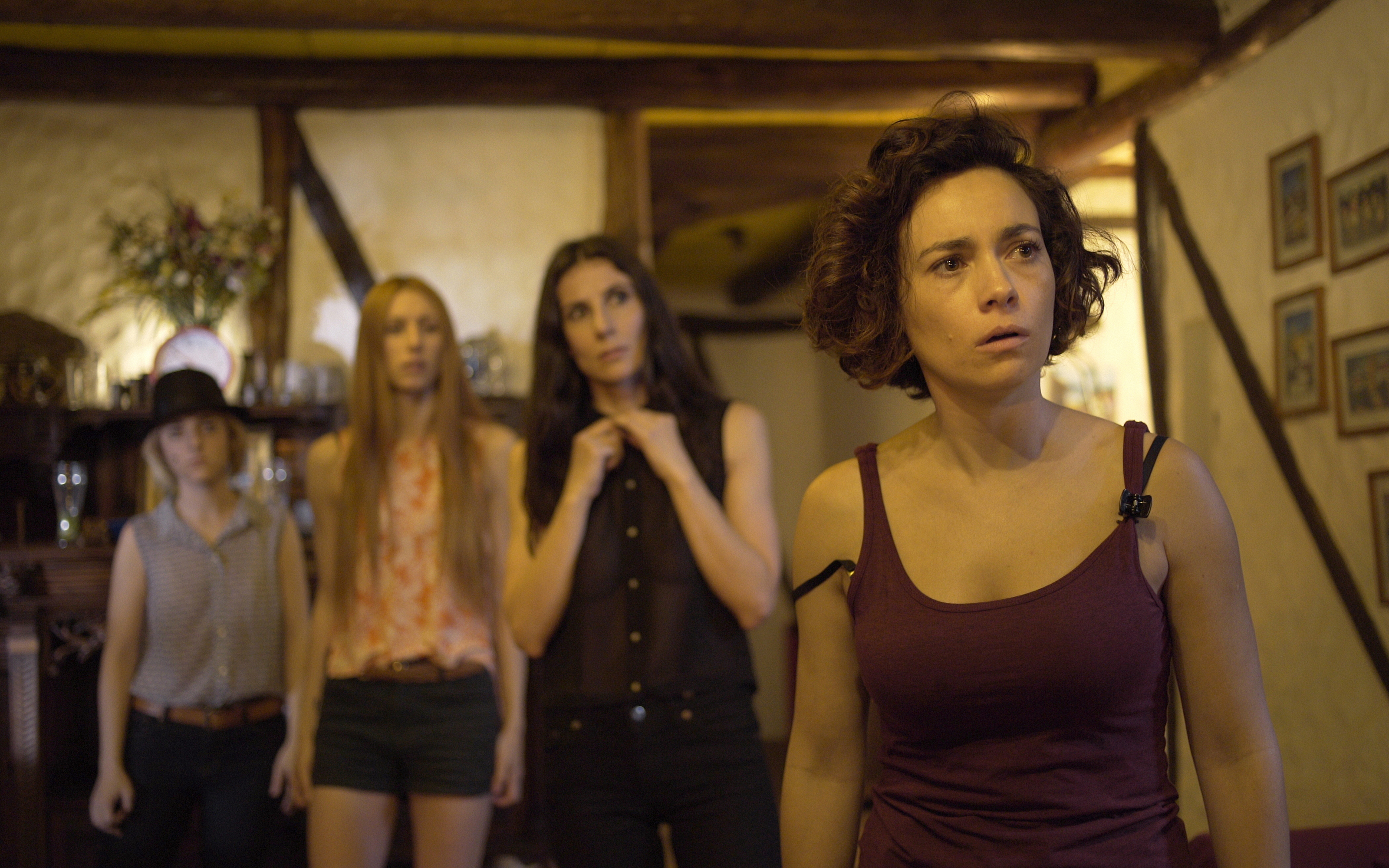 When viewing Trauma, it is important to have an understanding of where it’s inspiration comes from to truly appreciate what the film is trying to say. While the exact details of the story and the specific characters may not have actually occurred, the film is steeped in Chile’s modern history and very representative of a significant cultural issue that still impacts life today. In the real world, Chile’s democratically elected government was overthrown in 1973 in a brutal coup that resulted in Augusto Pinochet seizing power as the country’s iron-fisted dictator. During this period the country experienced an unfathomable amount of death and real world horror that left it irrevocably changed. This is important to know because at its core, this film is really about the country’s brutal and traumatic past still rearing it’s head in the modern world, and not simply another violent home invasion thriller.
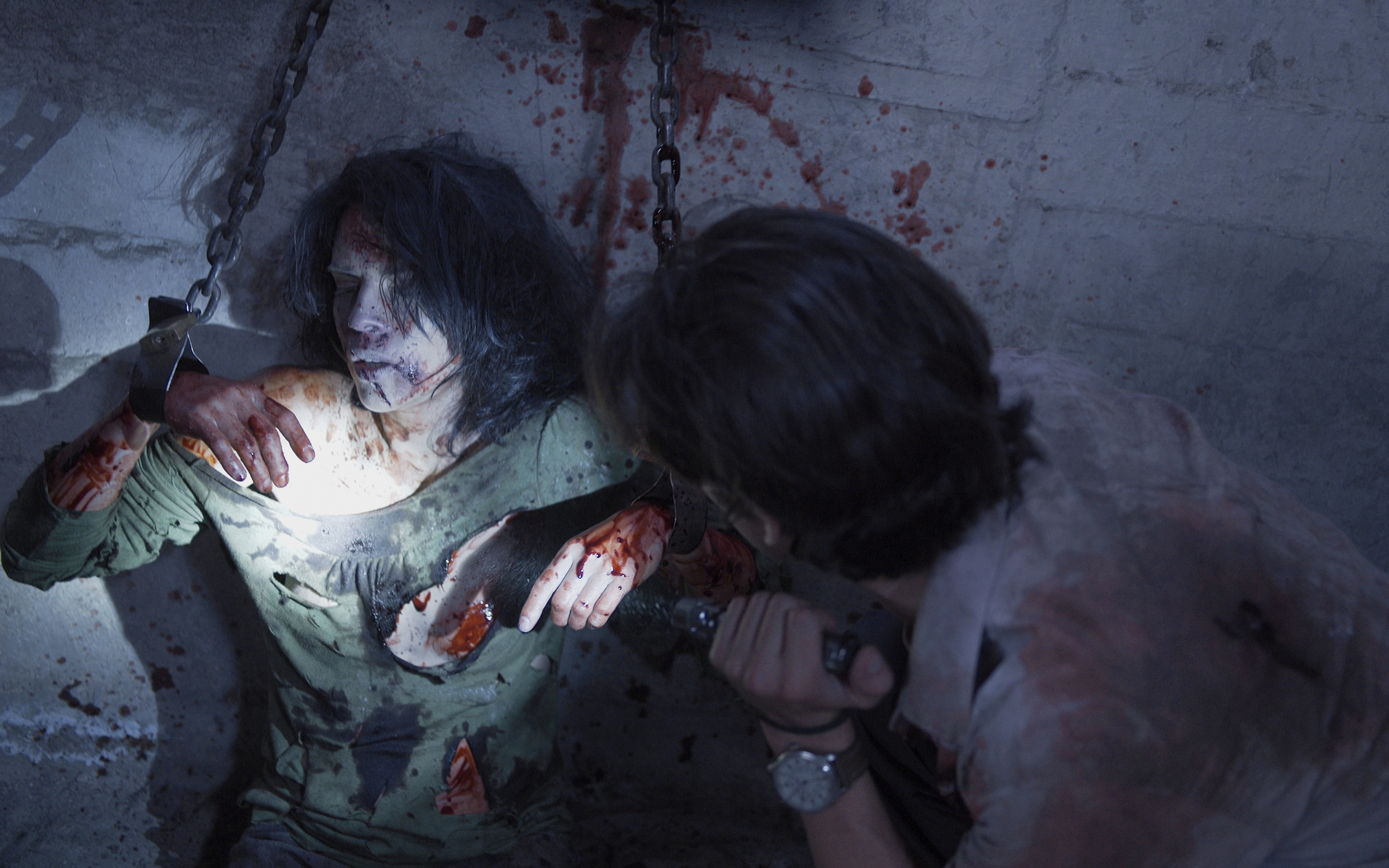 Another similarity between these films is the fact that they are all very well made, which is also what allows them to be so effectively disturbing. Writer/director Lucio A. Rojas has done an incredible job creating a living, breathing world thanks to gorgeous cinematography, top-notch gore effects, and realistic, believable characters. Speaking of characters, while I do want to make special note of the villainous perfection that Daniel Antivilo brings to his psychopathic character Juan, everyone across the board does an absolutely incredible job.
 Some Extreme Cinema films creep up on you slowly, holding back their edgiest material to sucker punch you with later on. Other films announce themselves right from the fucking beginning and, with a sexually explicit scene in the first two minutes, Portraits of Andrea Palmer wastes no time earning its Extreme Cinema cred. That’s not to say that one approach is better than the other however, as a “less is more” approach adds more punch to the shocking scenes you do have.
 If you’ve only seen one film by the brilliant Japanese auteur Takashi Miike, then it was probably Audition. Not only is it Miike’s most well known film outside of Japan but it is also his most accessible. That’s not to say of course that it’s something that’s easily digested by the mindless masses, it is still a Miike film after all, and if it didn’t have some incredibly violent, disturbing scenes I wouldn’t be reviewing it here. Although, it’s not the violence alone that makes this film interesting, what really sets it apart is the brutal sucker-punch it gives the audience.
 What really makes Audition work is that even with the tonal shift, the two halves of the film never feel like disparate ideas awkwardly stitched together but instead function as one cohesive story that is purposefully and methodically laid out. The dramatic, character-focused beginning fleshes out who these people are and makes the viewer truly invested in their fate. The fact that the violence is intense but used sparingly also gives it a far greater impact when it’s shown.
 Horror and Alternative Cinema Reviews