
 Romeo’s Distress is a film that isn’t easy to classify as it does not fit neatly into a single genre. It’s not horror but more of a drama that’s heavily laden with dread and intrigue but also does get into more horrifying territory as it approaches the climax. As with any micro-budget film it’s success is going to be dependent on the level of innovation and creativity it brings to the table rather than high production values. So, is this film that was made for the shockingly low price tag of approximately $2,500 and shot well outside the studio system in New York state create an experience worthy of devoting eighty minutes of your time to? Well, let’s discuss.
The story follows James, (Anthony Malchar) an eccentric young man that spends his time taking pictures in graveyards, playing his ukulele and trying to dodge ass beatings from an angry jock named Bobby (Adam Stordy). When he isn’t going to court-mandated therapy or taking care of his senile grandmother, he gratefully escapes into his idyllic dreams of Jane (Kimberely Peterson) the girl he professes to love. Is he just a nice, misunderstood outsider….or is there something more sinister going on?
That’s about as much as I want to reveal of the plot because this is truly a film that is best viewed through fresh eyes. From very early on, writer/director Jeff Frumess establishes a sense of underlying menace and the feeling that there is much more to these characters than initially meets the eye. Indeed, the real fun here comes from seeing where the story will go as more and more information about who these people really are and the true nature of their relationships is slowly revealed.
Romeo also succeeds where many indie films fail by virtue of the fact that it doesn’t feel cheap. In fact, Frumess’ clever use of camera technique and color palette show an advanced sensibility and serve the story very well. The film is primarily shot in black and white with a few choice scenes, such as the dreams, bursting into vibrant color. Using black and white is certainly an artistic gamble but in this case it pays off beautifully and the film would not have worked nearly as well without it. The same can be said about the camerawork which utilizes close-ups and occasional high-contrast lighting to effectively give the film a tone that is subtly surreal.
Despite one or two weak links in the casting, the performances are generally very solid and well beyond what can normally be expected from a film of this budget. Malchar, for one, does an excellent job embodying a character that is quirky and eccentric while simultaneously being filled with sad desperation and rage. The real standout in this film however is Jeffrey Solomon who brings tremendous gravitas to the role of Jane’s father, Dale. He subtly and effectively communicates a genuine sense of menace and repressed emotional anguish that is simply mesmerizing to watch.
Now, despite the numerous positive aspects of this film, it does also have the unfortunate distinction of being one of those movies that continues past the point where it should have simply stopped. I of course won’t spoil it for you with the details but suffice to say the ending only works to the detriment of the overall story. It’s not a deal breaker by any means, but if the film had simply faded out two minutes sooner it would have immensely strengthened the overall production. But don’t let that deter you because, if you can find it, this is a cinematic journey worth taking and an experience that is well worth your time.


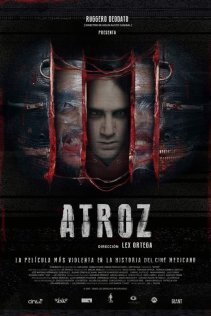 Atroz, the Spanish word for atrocious and certainly an indication to the viewer that this experience is going to be anything but lighthearted. True to its title, the debut feature from Mexican director Lex Ortega is a harrowing journey indeed. Its style channels August Underground and its violent depravity reaches Human Centipede 2 levels of intensity. Much like A Serbian Film though, this movie plays out as more of a gruesome drama than a horror film but is so horrifying that it more comfortably fits into the Horror category than anywhere else. So, clearly its qualifications as an extreme film are indisputable but still, the most important question remains: “is it any good?”

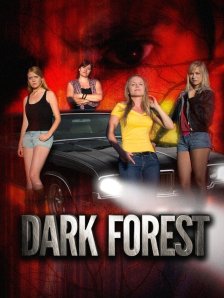 “Are you ready for this? I’ve got a concept that’s going to blow your fucking minds! A bunch of attractive college kids go camping in the woods and then….get this….are killed by a deranged murderer! What’s that? It’s been done!? Impossible! What……how many times? Too many to count!? Well…..fuck it, let’s roll anyway!”

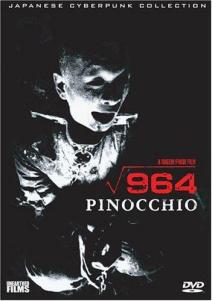 Watch out, people, there’s a lobotomized sex-cyborg on the loose! Yes, the insane premise of 964 Pinocchio (a.k.a Screams of Blasphemy) does certainly hold a lot of potential for a Tetsuo-style journey into another gloriously bizarre living nightmare. But the real question becomes “can it actually deliver on the same level as that mind-fuck masterpiece?” Well, let’s discuss.

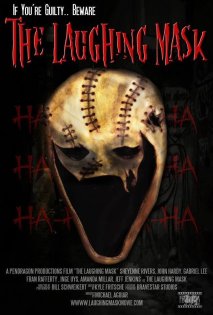 Let me start by saying that The Laughing Mask is actually not a horror movie in the traditional sense, more of a dark thriller with horror elements. That being said, it is certainly an alternative, indie film that remains relatively obscure, like so many other micro-budget titles. So, the question is “Is this film a hidden gem that deserves to be uncovered or just another run-of-the-mill low budget flick drowning in a sea of it’s peers?” Well, let’s discuss.

 When creating a Christmas-themed horror film there are certainly a lot of different approaches you can take. Perhaps the most interesting and unconventional though, is the storyline for the Finnish film Rare Exports: A Christmas Tale, which goes far beyond the standard Santa-themed slasher to bring you a story that is relentlessly bizarre and incredibly engaging.
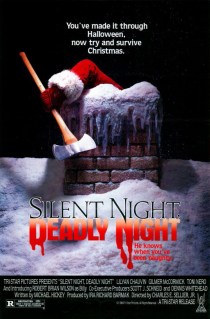 When it comes to generating controversy, you’re unlikely to see a Christmas-themed horror film that ever stirs up as much as Silent Night, Deadly Night did upon it’s 1984 release. Despite the fact that a very similar film, Christmas Evil, had come out just four years earlier with little fanfare, groups of self-imposed arbitrators of morality fought hard to get this Santa-themed slasher pulled from theaters as quickly as possible. Even though they were successful at this and the film was removed shortly after it’s release, that didn’t stop it from crushing the box office while it was there. Despite the controversy, or more likely because of it, the film saw profits that more than tripled the original budget, even outmatching the seminal slasher A Nightmare on Elm St which was released the same week. Ya know, the film where a disfigured man’s restless spirit murders teen in their sleep with his razor-fingers. Apparently that was far less shocking to some than a killer with a fake beard and a red suit.
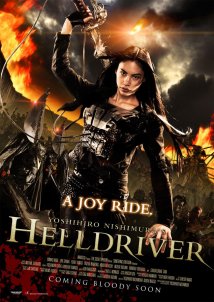 Helldriver is less a “movie”, more an unbridled ride through the cinematic insanity that is Japanese Splatter Cinema. Much like Tokyo Gore Police, this is another film that you are going to need to strap the fuck in for because this visual roller coaster is an example of unhinged, creative brutality at it’s finest.

