
 The New French Extremity is the term used to describe a particular subset of films within the Extreme Cinema category, that were made by French directors around the start of the new millennium. Artforum critic James Quandt coined the phrase but, just as with the invention of David Edelstein’s term, Torture Porn, it was used in the pejorative sense. Regardless, both terms have been subsequently embraced by fans of boundary-pushing cinema, and it wasn’t long before the labels were worn like a badge of honor. Xavier Gens’ Frontier(s) is one of the most recognizable films of the French Extremity movement and certainly earns its stripes with graphic, visceral violence. But that aside, the real question becomes “how does it actually hold up as a film?” Well, let’s discuss.
The main story is set against the backdrop of a controversial election in France where rioting has broken out after right-wing extremist politicians have seized power. Alex (Aurélien Wiik) and his gang of young thugs need to get out of the city with their bag of ill-gotten money as soon as possible, so they divide into two groups to meet in an inn outside of town. Unfortunately for them, this particular inn is run by a sadistic family of neo-Nazis that is determined to make their lives a living hell.
It makes sense that films, especially horror, typically build in intensity as they move towards the climax but one of the most notable aspects of Frontier(s) is how it takes that concept to the extreme. While many horror films will start with a horrific scene establishing the tone you can expect throughout the movie, this does not and for a significant amount of viewing time it plays out as more of a crime thriller without any horror elements.
But rest assured, the horror does come, and by the time we reach the climax, we’ve been treated to numerous scenes of gruesome violence that (in true French Extremity fashion) lead to characters being literally blood-soaked . Ultimately, this approach serves the film well as viewers unfamiliar with what they are getting into will no doubt be taken by surprise and it makes the violence that does happen, all the more shocking. It also serves the narrative well to have the film become more visceral and gruesome as the situation worsens for the characters.
The film itself exists in a world of slightly heightened reality and, at times, the characters (particularly the villains) come off as just short of cartoonish. Regardless, the acting is actually very well done and Karina Testa especially shines as Yasmine, the sole female member of the gang. In this role she is exceptionally effective at physically conveying the mental toll that an ordeal like this would take on a person.
Social commentary plays a big part in the story and Gens has revealed in interviews that the 2002 French presidential election, which had an extreme right party in the second round, was a direct inspiration for this film. Certainly the subtext can be read as a manifestation of the fear and anxiety caused by the thought of right-wing extremists in control of the country, but the execution of the concept manages to be both superfluous and slightly heavy-handed. Even though the idea feels incredibly prescient to those of us in the US right now, it still neglects to really get at the meat of the issue or bring something new to the conversation.
In the end, Frontier(s) succeeds in being a fun, bloody, survival horror film that draws more than a little inspiration from Texas Chainsaw Massacre. With a runtime of nearly two hours it does take some time to get where you’re going but is worth the trip when you arrive.

 After successfully capturing the gruesome and dangerous feel of the original series with the first American Guinea Pig film, Bouquet of Guts and Gore, the primary challenge for the sequel becomes figuring out how to follow it up without being repetitive. It’s not surprising then, that Bloodshock would take the franchise in a pretty different direction from the first as it focuses on a male protagonist and is primarily shot in black and white. This is certainly a gamble, so the real question becomes, “does it pay off?” Well, let’s discuss.
 The Guinea Pig film series is celebrated by fans of Extreme Cinema for it’s uncompromising gore and sadistic violence that reaches levels so rarely able to be seen in film. Even though these films remain near and dear to the black hearts of us gore hounds, the fact is, that it’s been decades since the last film was released and at this point, the out-of-print DVDs are hard to even find. Although prior to the limited DVD release in 2002 by German company Devil Pictures, North American fans of the series only knew the films as grainy bootlegs from multi-generation VHS tapes.
 Horror movies are a great way to explore the feelings of anxiety and fear that are inescapable by-products of living in the insane fucking reality we all inhabit. Sometimes the fear represented is an intangible part of our subconscious and other times it is based upon violent and terrifying experiences from the real world. In the case of The Hitcher films, the fear is based upon the anxiety derived from bringing a total stranger into your car, or getting into theirs. In reality, numerous people on both sides of this interaction have met with deadly ends, so the effectiveness of these films is reliant in large part on how authentically they can represent that legitimate danger. A lot has changed in the twenty-one years between these movies but some dangers never lose their relevance, regardless of how many technical advances we make.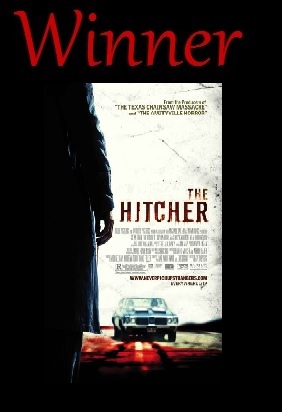
 Horror and Alternative Cinema Reviews