

The great thing about the vampire mythos is that it’s malleable and as such we get to have numerous artistic interpretations of it. As one of the most popular mythic creatures, vampires have been represented in a wide variety of ways from a subtle and abstract metaphor for addiction in Ganja & Hess to the bloodthirsty monsters in 30 Days of Night and countless other creative iterations. Because of this there really is no wrong way to represent a vampire (except when they sparkle in the fucking sunlight) so director Mickey Reece’s highly unconventional take on the classic bloodsuckers is just as valid as any other interpretation, even if the end result is a bit of a mixed bag.
Climate of the Hunter tells the story of Wesley (Ben Hall), a writer who returns to the states after a 20 year absence abroad due to a significant deterioration in his wife’s mental health that requires her to be institutionalized. While staying in the nearby vacation town in the quiet off season he reconnects with a pair of sisters Alma (Ginger Gilmartin) and Elizabeth (Mary Buss) whom he had known years earlier. As Wesley’s wife sits catatonic in a mental hospital he spends a significant amount of his time flirting with both sisters, causing tension and jealousies to rise between the ladies. Alma’s own mental health also comes into question, especially as her suspicions mount that not only is Wesley no longer the man she once knew but has in fact turned into a malevolent supernatural creature.
Once you start this film it doesn’t take long to realize that the story Reece is telling is far from a conventional vampire tale. Instead CotH is a slow-burn and increasingly surreal journey that is intended to make the audience question the reality of what they see unfolding. The aesthetic here plays a big part in that and the authentically degraded footage makes it feel like a found relic that was actually filmed in 1977 rather than just taking place during that time. The surreal tone is further bolstered by the fact that the numerous vintage meals that are featured in the film always start with an insert shot of the food and an unknown female narrator’s introduction.
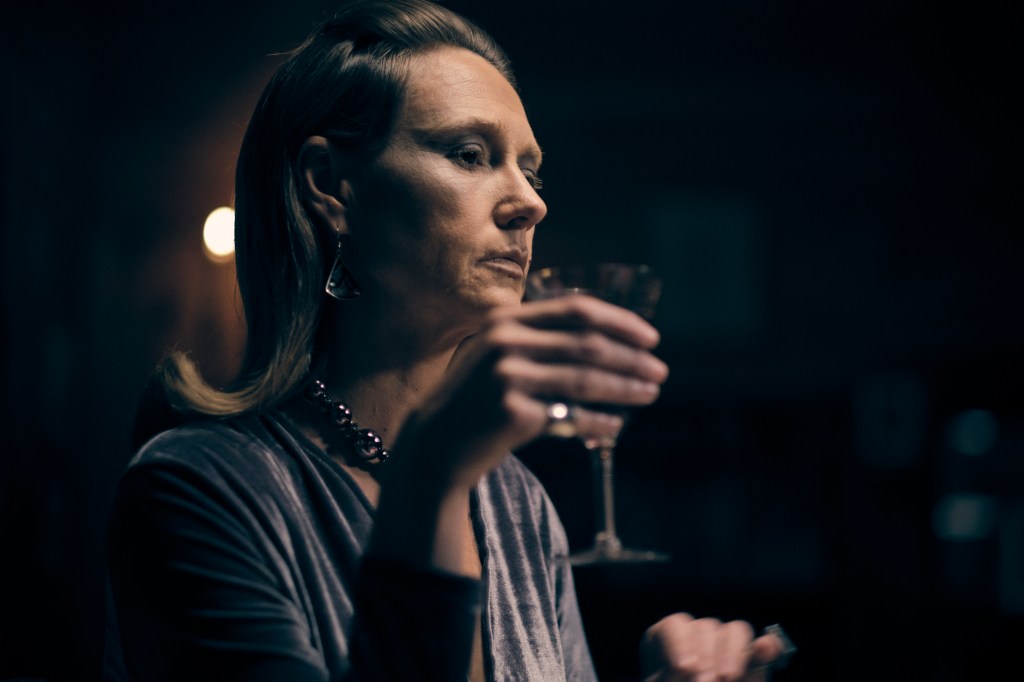
From start to finish the film feels strange, off kilter (and dare I say, even Lynchian) with the subtly surreal world that is brought to life by the exceptional performances of the cast. This aspect works incredibly well and made me want to spend more time in the weird world Reece created. The fundamental problem here is that the world isn’t quite weird enough and I was quite disappointed to see that so much of the beautifully strange footage from the trailer was relegated to dream sequences rather than being incorporated into the story in a more meaningful way.
Since Alma’s sanity is in question from the start, Reece’s intention is clearly to create an ambiguous reality that will keep the audience guessing whether what they are seeing is real or simply part of her delusions. If he had more successfully blurred the lines of reality and incorporated a more palpable sense of menace and dread the end result would have been something truly exquisite. As it is, the series of odd meals the characters share start to feel stagnant and repetitive as Wesley once again waxes poetic while the women cut each other down with barbs and snide comments. Ultimately this results in an interesting and unusual film that’s good but remains frustratingly close to actually being great.






 I love horror anthology films and while we may not be getting as many these days as we did during the resurgence of their popularity in the early to mid 2010s, it’s good to see that they are still popping up occasionally. Typically these films will feature the collaboration of multiple directors and are a great way to showcase various talents within a single project. The structure allows the audience to be a little more forgiving of the overall film as stronger entries can sometimes redeem the goodwill lost by weaker ones. Ultimately though, the finished film is still a sum of its parts and today we’ll see if A Night of Horror: Nightmare Radio serves as a suitable distraction during these troubled times.
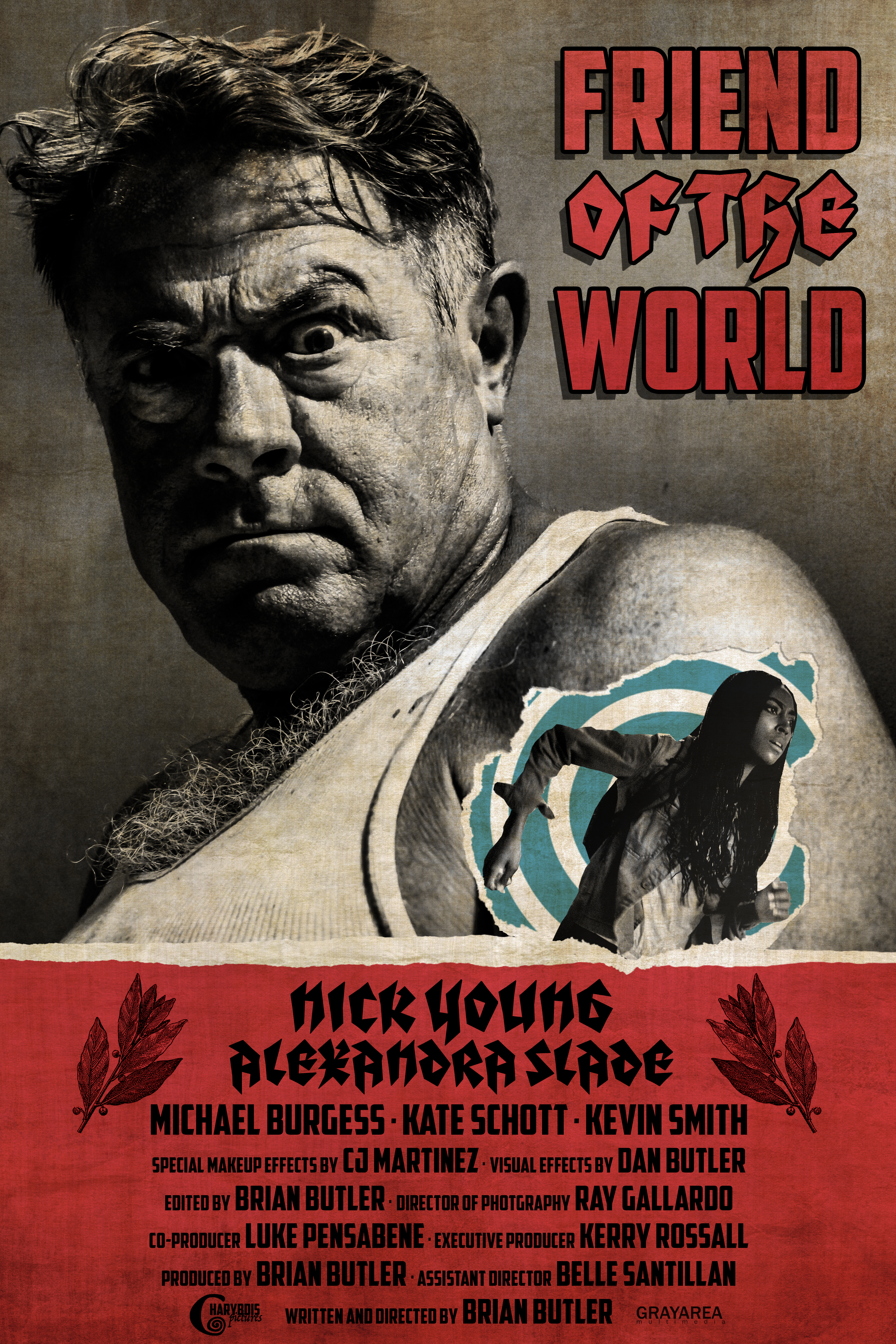 Friend of the World exists in a very strange space. Originally penned in 2016, writer/director Brian Patrick Butler conceived of the story as a reflection of the political anxieties of the time. Now that it’s finally ready for release in 2020, this post-apocalyptic film about racial/cultural disparity, isolation, and paranoia feels almost painfully prescient. Some films are able to be an effective reflection of their time but the degree to which this one was able to accurately predict what 2020 would feel like is just plain unnerving.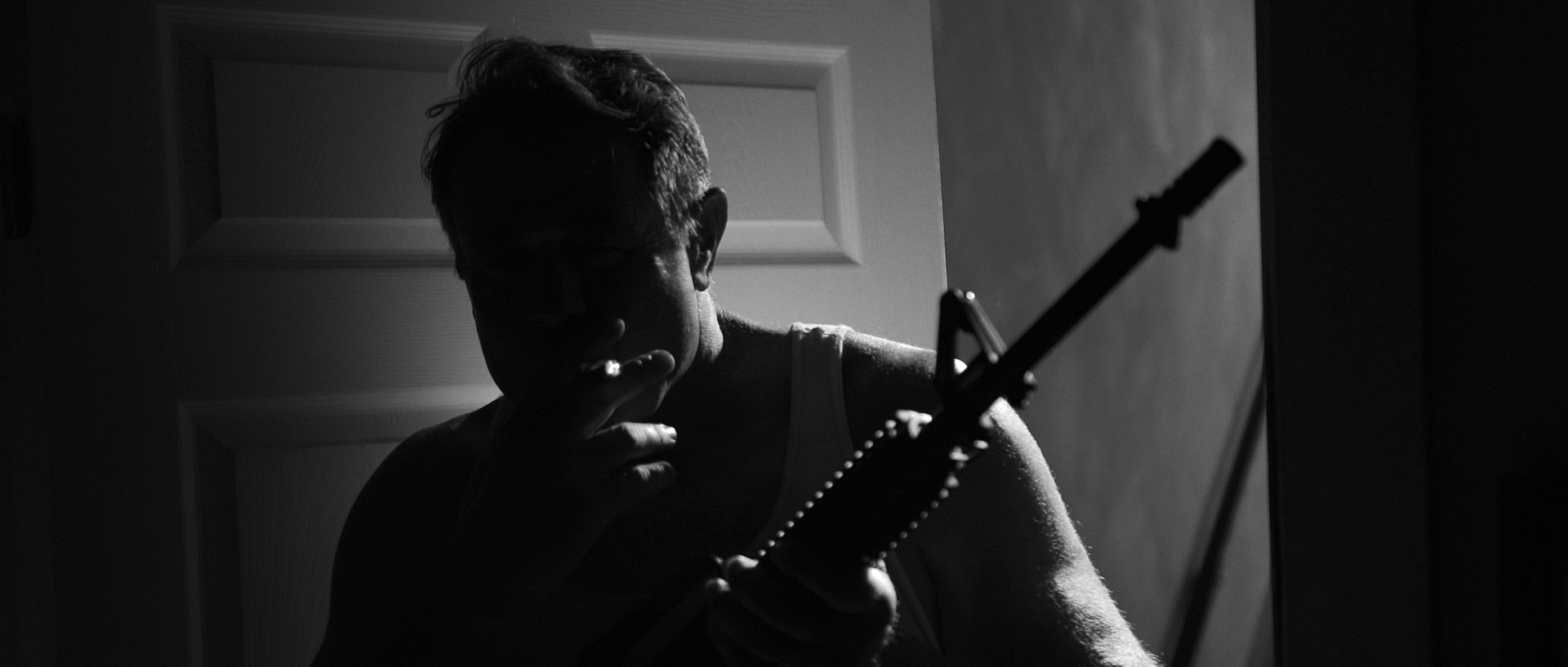

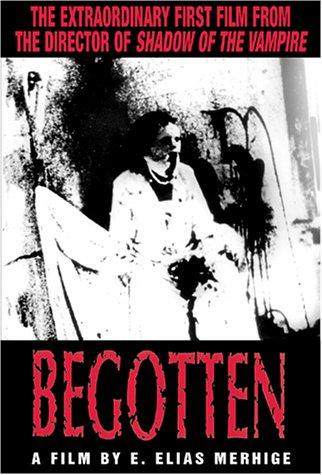 I’m no stranger to abstract filmmaking. From Jodorowsky to Lynch and many others I have certainly seen my fair share of films that eschew standard narrative conventions. Often times these films are so laden with symbolism and metaphor that the story itself can be incomprehensible upon initial viewing. The best of these have meaning behind each image and in-depth examination can peel back the layers to uncover the profound truths that the artist has hidden within. The worst of these are simply a nonsensical series of images that are nothing more than weird for the sake of weird, occasionally containing meaning that has been so obscured by the filmmaker that it is utterly indecipherable. Begotten is definitely abstract, so the question now is where along this spectrum it falls.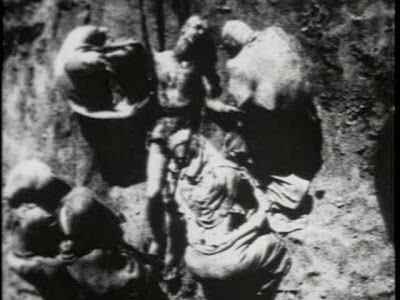

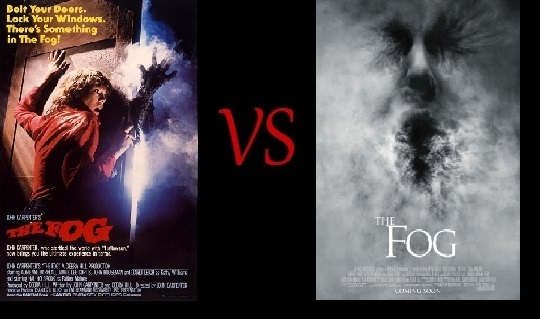
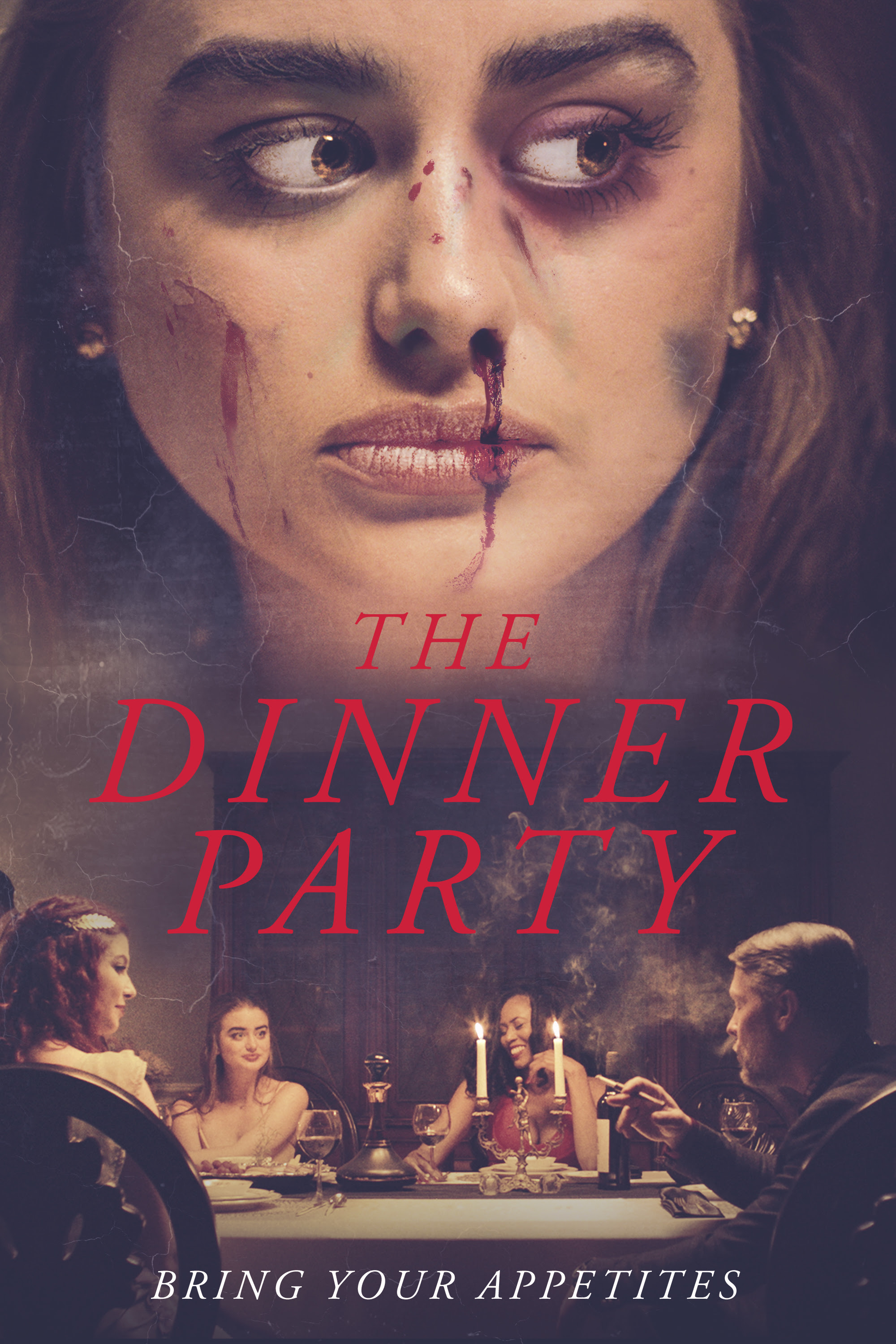 Sometimes just the fact that a film is in the horror genre tips you off that the plot is going to go in a certain direction. I mean, if a movie called The Dinner Party had everything go completely well for the characters the entire time you’d probably end up with a drama (and a damn boring one at that). So, while there is a certain amount of predictability and expectation within the basic structure itself, the real test of artistry is found in how well the filmmakers can finesse the details and create something original. Sometimes this means artists will take big swings with unusual concepts and plot twists, the end result of which is invariably a brilliant hit….or a spectacular miss.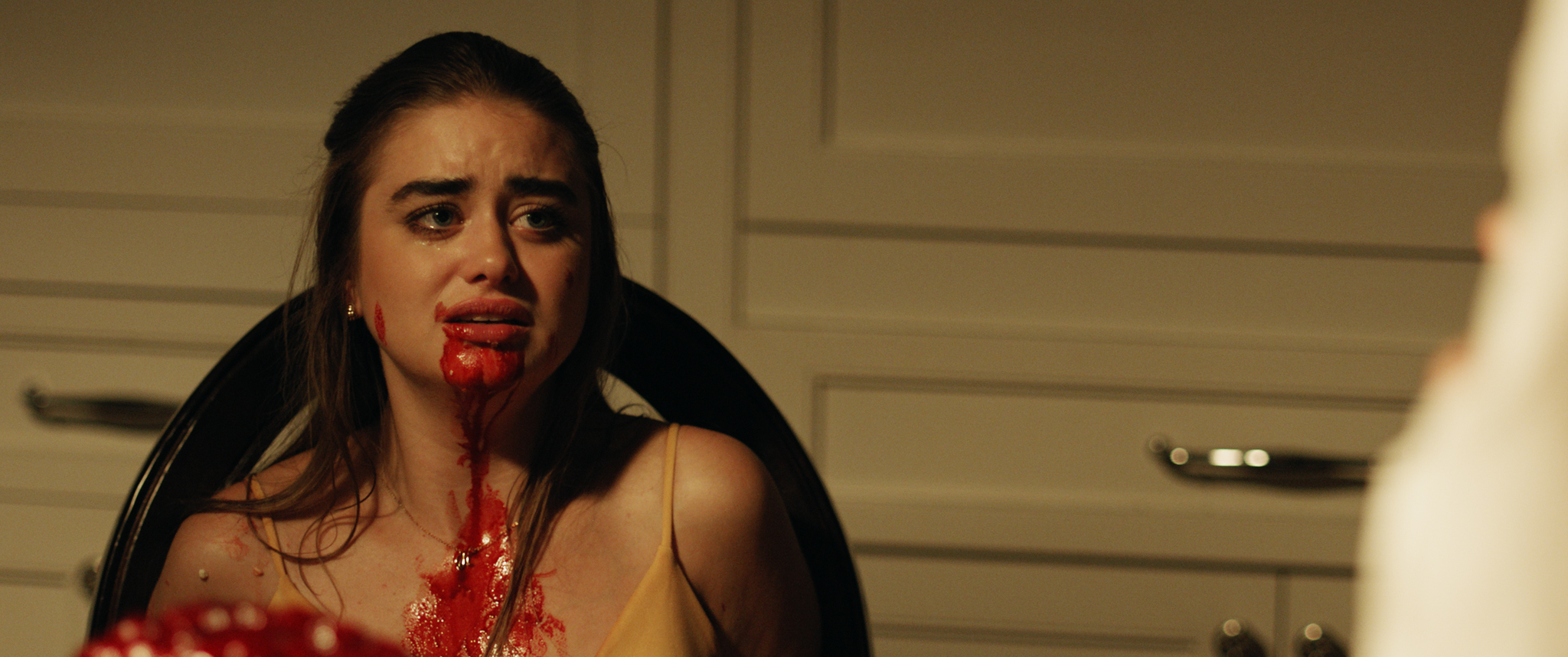
 Ever since The Blair Witch Project exploded onto the horror scene in 1999 and crushed the box office to the tune of a quarter billion dollars, countless filmmakers have tried their hand at tapping into that low cost Cinéma vérité style magic. Now that it’s 21 years later any filmmaker looking to utilize that format needs to bring something more to the table than abandoned footage found in the woods. Fortunately, M.O.M (Mother of Monsters) does bring an innovative twist to the standard formula as all the footage comes directly from cameras that characters use within the world of the film.
 Horror and Alternative Cinema Reviews