
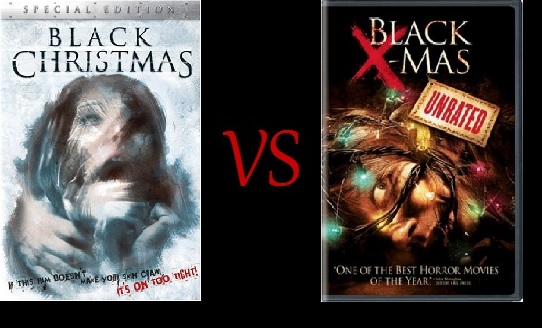
Sometimes comparing an original to a remake is very simple. When the original is a masterpiece with a brilliant story that is simply watered down and cheapened by the remake then it’s a no-brainer. However, when neither film is exactly outstanding it actually makes the comparison trickier. Such is the case with Black Christmas but to it’s credit at least they waited a few decades before trotting this middling slasher out for a new coat of paint.
Both films center around a sorority house on Christmas that begins receiving disturbing phone calls from an unidentified creep. After that it’s not long before the residents of the house, in true slasher fashion, start getting gruesomely knocked off one by one by an unseen killer.
The set-up for each is basically the same but for some reason, perhaps to add more of a sense of menace, the writers of the remake decided to add an additional storyline involving the villain Billy escaping from a mental hospital for the criminally insane. This actually had the opposite effect pushing the film deeply into campy territory and taking all the power away from the scene where the first mysterious obscene phone call is made, which is a truly unsettling moment in the original film. This is also true of the copious amounts of flashback scenes, and the addition of the character of Billy’s sister, the remake included seeking to flesh out Billy’s backstory. In reality this only ends up slowing down the story and making the villain far less frightening than the mysterious killer from the original who lurked in the shadows and seemed to strike out of nowhere.
That being said though, the original does suffer from issues of it’s own. The film is punctuated by a few good kills and some effective scenes of tension, the creepy phone calls really are masterfully done, but it does spend most of the time between them with a story that severely drags. This is not helped by some comic relief scenes that further drag down the story (although that line about the Mormon Tabernacle Choir is a rare moment of comic brilliance). However, I do want to acknowledge that in the context of Horror history the original does play a significant role as an early precursor to the Slasher subgenre. It’s contribution to the genre in general has been an important one but many aspects of this film just have not aged well.
As underwhelming as the cast of the original is, they look like master thespians when compared with the utterly unbearable cast of pretty “actresses” they assembled for the remake. I swear I have never wanted a cast to die more badly in my life, so at least there was some satisfaction to be had when that began occurring in brutal ways (btw what’s with all the eyeball ripping in the remake? They’re obsessed!)
I will give credit where credit is due and say that the last half-hour or so of the remake does become more engaging as it builds towards the typical Final Girl climax. The fundamental problem with the remake though is the fact that the entire film itself has such a cheesy “campfire ghost story” kind of feeling to it. I’m surprised characters aren’t putting flashlights under their chins every time they talk about Billy’s unrealistically bad childhood. Every single shot is exaggerated, stylized and devoid of any substance or realism so you never forget you are watching a Hollywood movie.
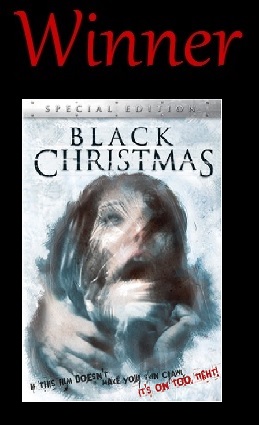
So, despite some pacing and character development issues I am gonna give the win to the original in this case because at least I never felt like I wanted to stab my eyes out with an icicle rather than watch another minute of the witless banter between a group of actresses that prove the casting couch is alive and well.

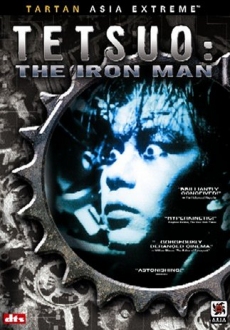 Many films can be bizarre and abstract but few films truly capture the feeling of being in a living nightmare quite so well as Tetsuo: The Iron Man. However, what may seem to more casual viewers like a series of disturbing black and white images simply meant to take you on an insane visual journey, is in reality a film with a strong narrative thread connecting the central characters to a single traumatic event.

 Ah, the zombie film. Is there any horror subgenre more oversaturated these days? Much like the zombies themselves the films seem to be everywhere, shambling along with little change or innovation as the concept is resurrected time and again with similar, diminishing returns. As the zombie subgenre has become more and watered down with mainstream films like World War Z and Warm Bodies (zombie rom-com, seriously?) I’ve started to feel like we’ll never get back to the kind of brutal, badass action that made the zombie films great in the first place. That was until I saw Wyrmwood: Road of the Dead.
 Horror and Alternative Cinema Reviews